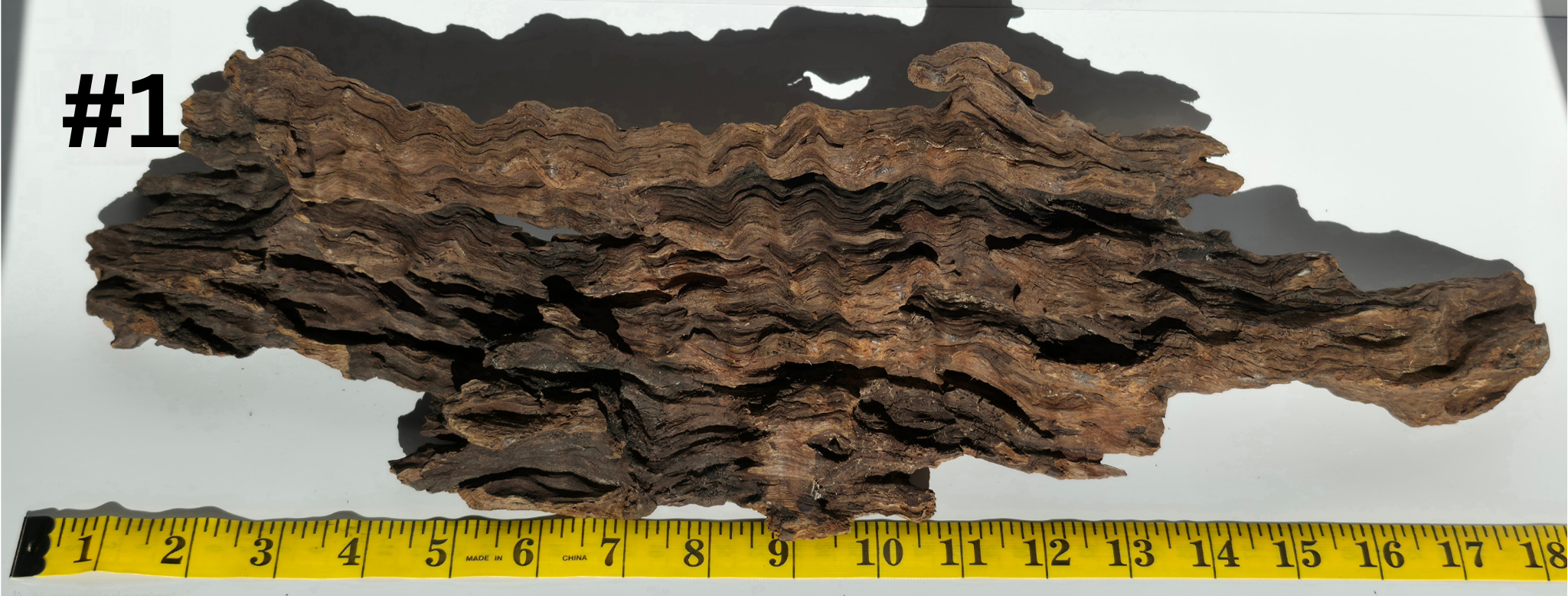
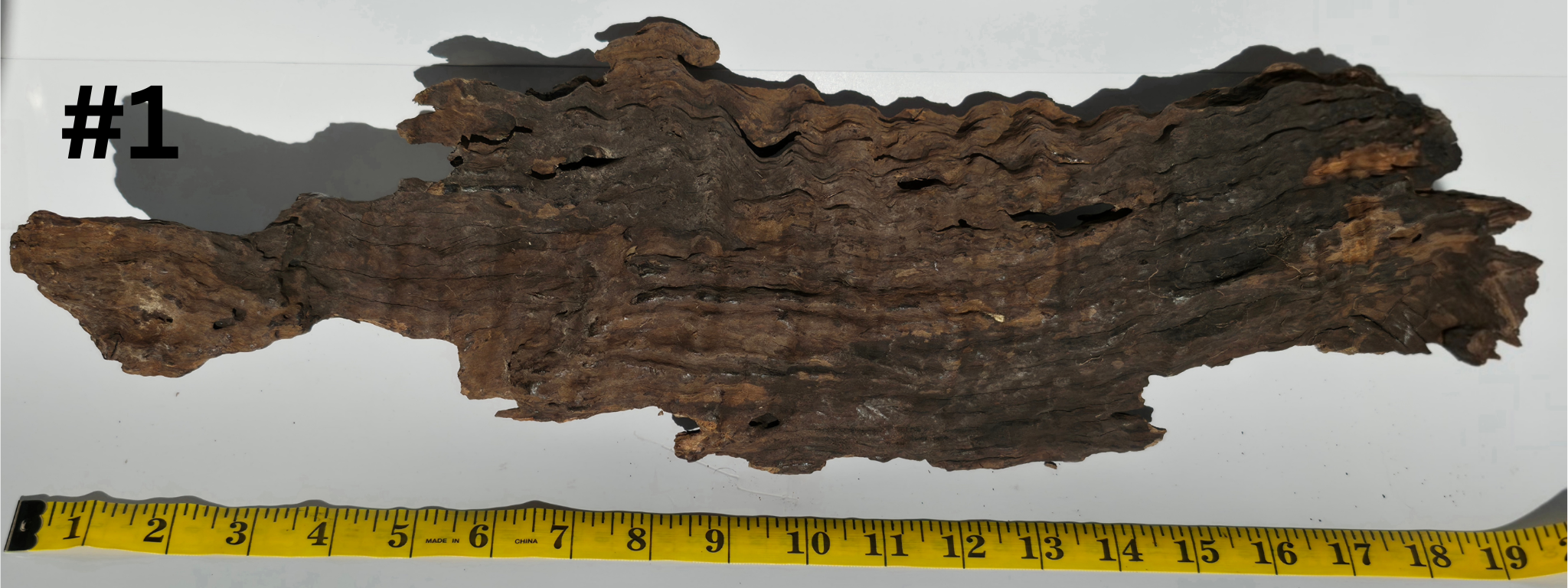
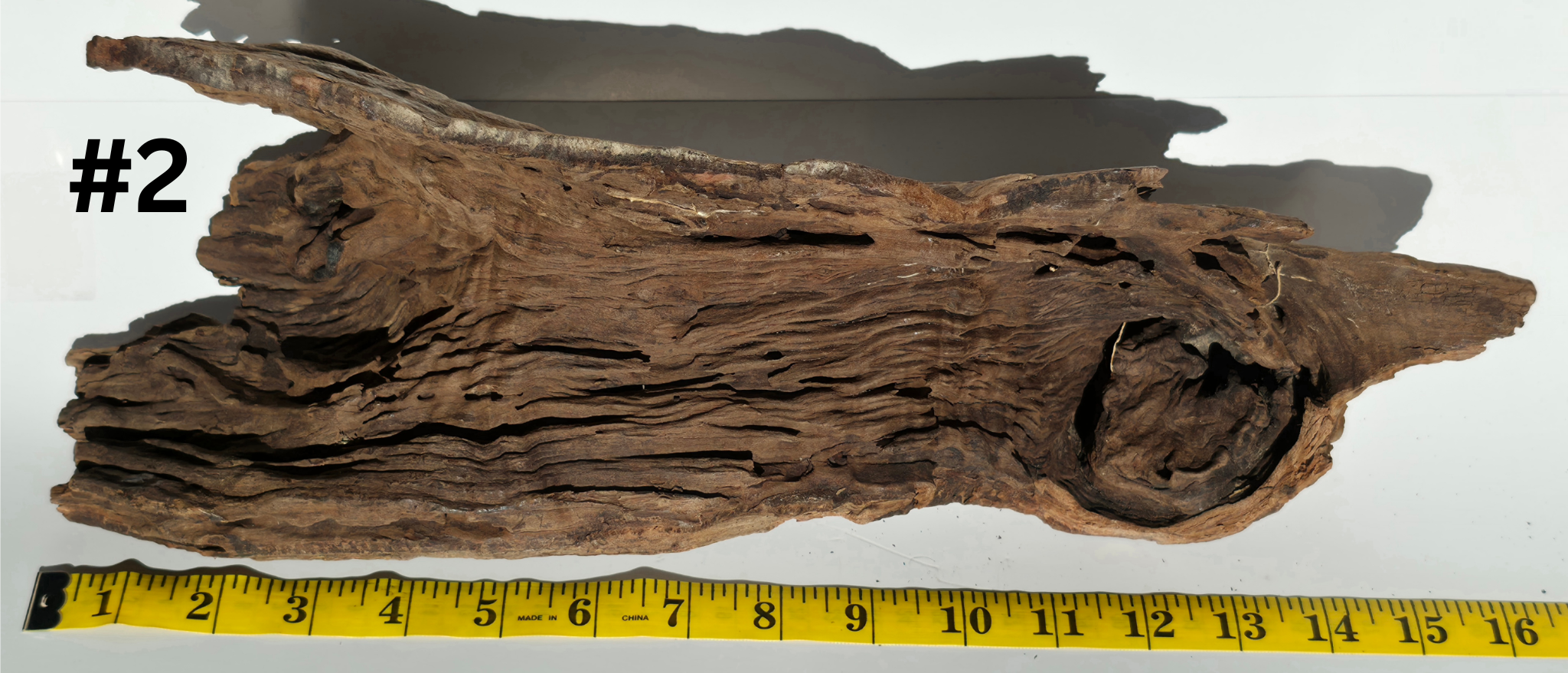
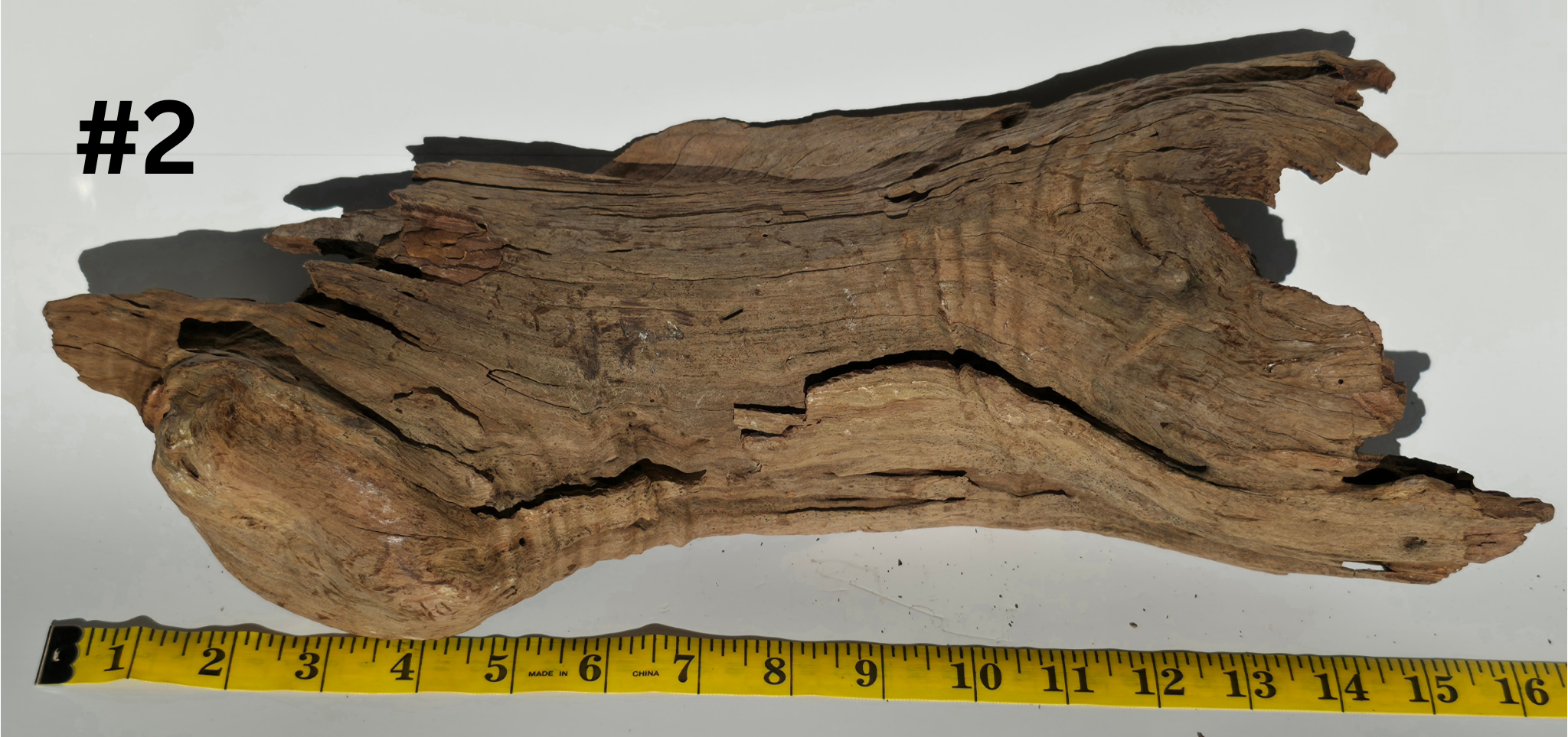
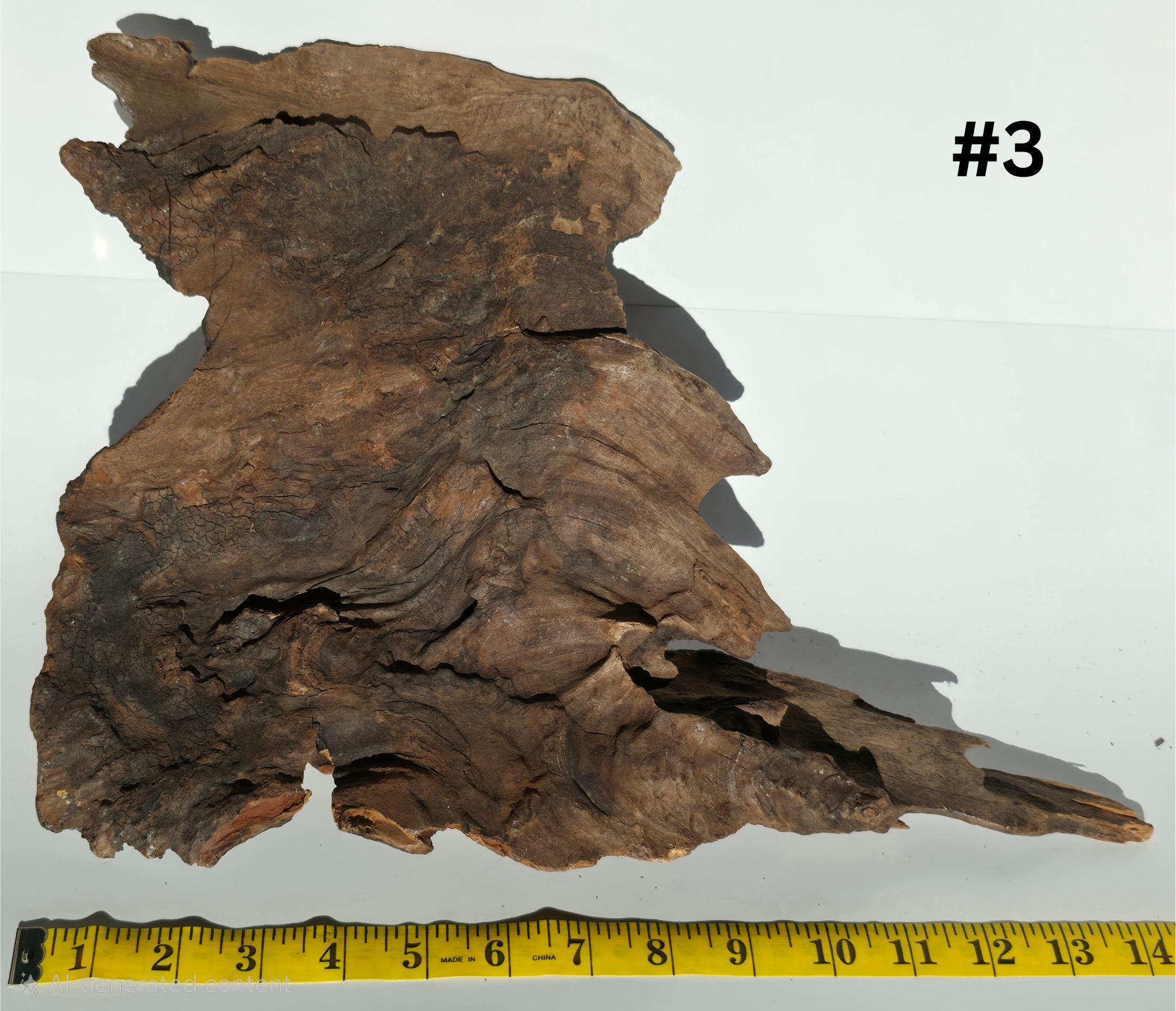
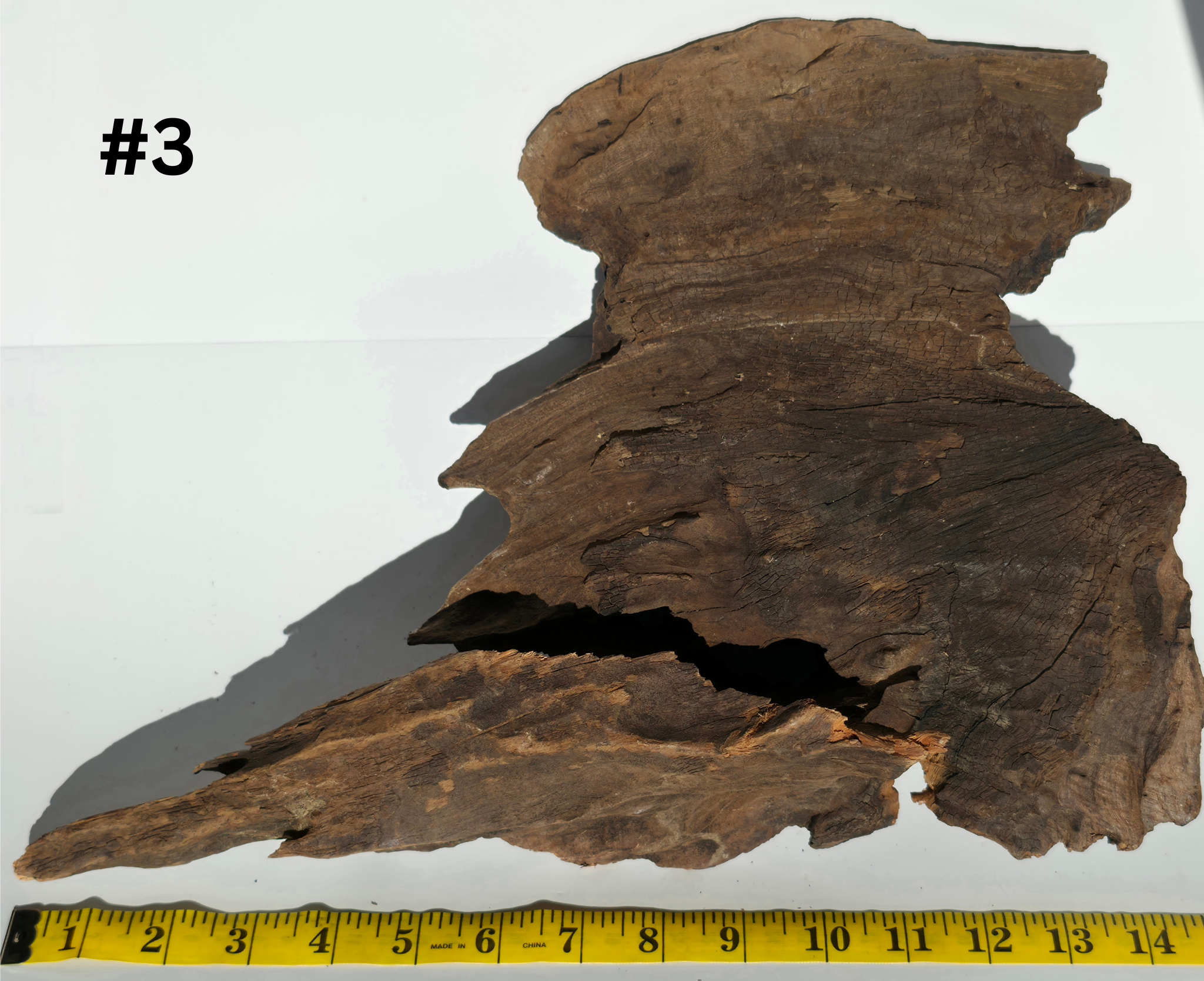
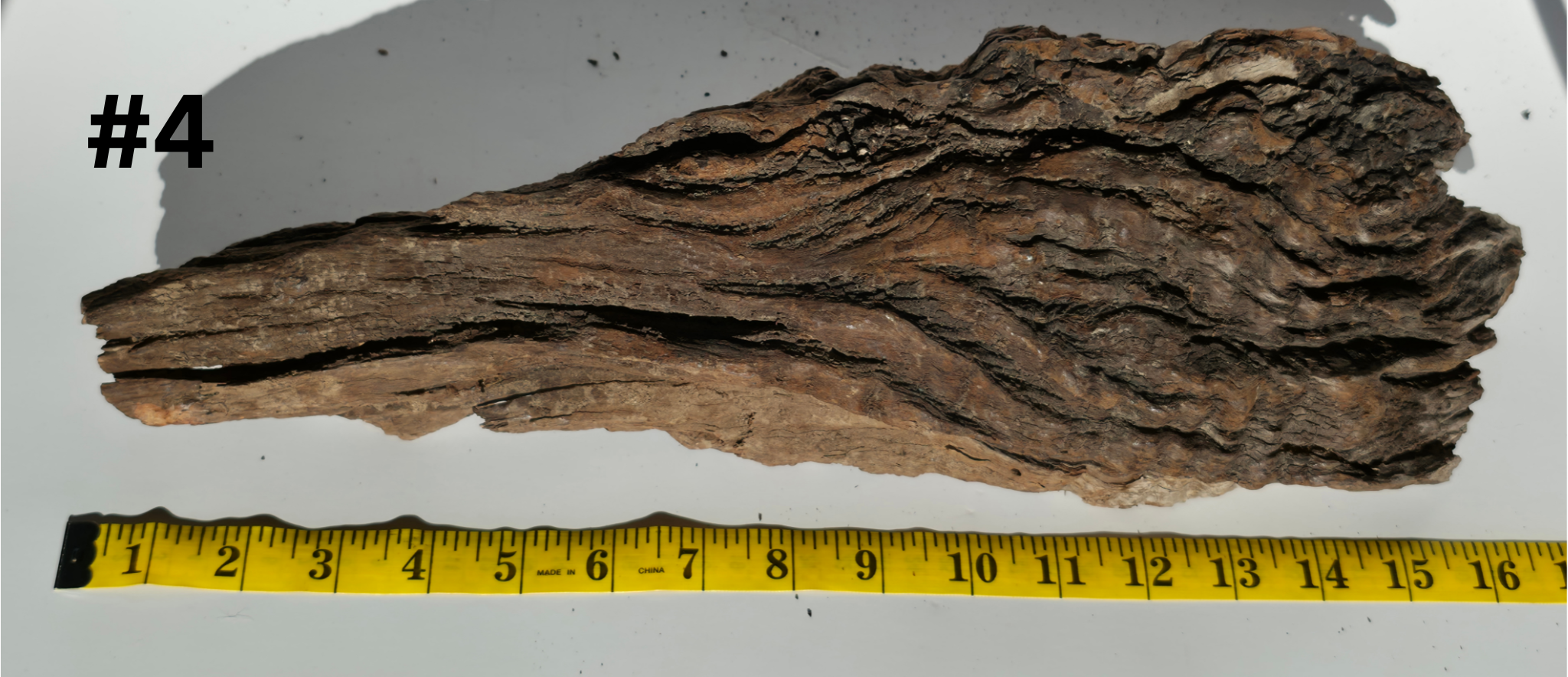
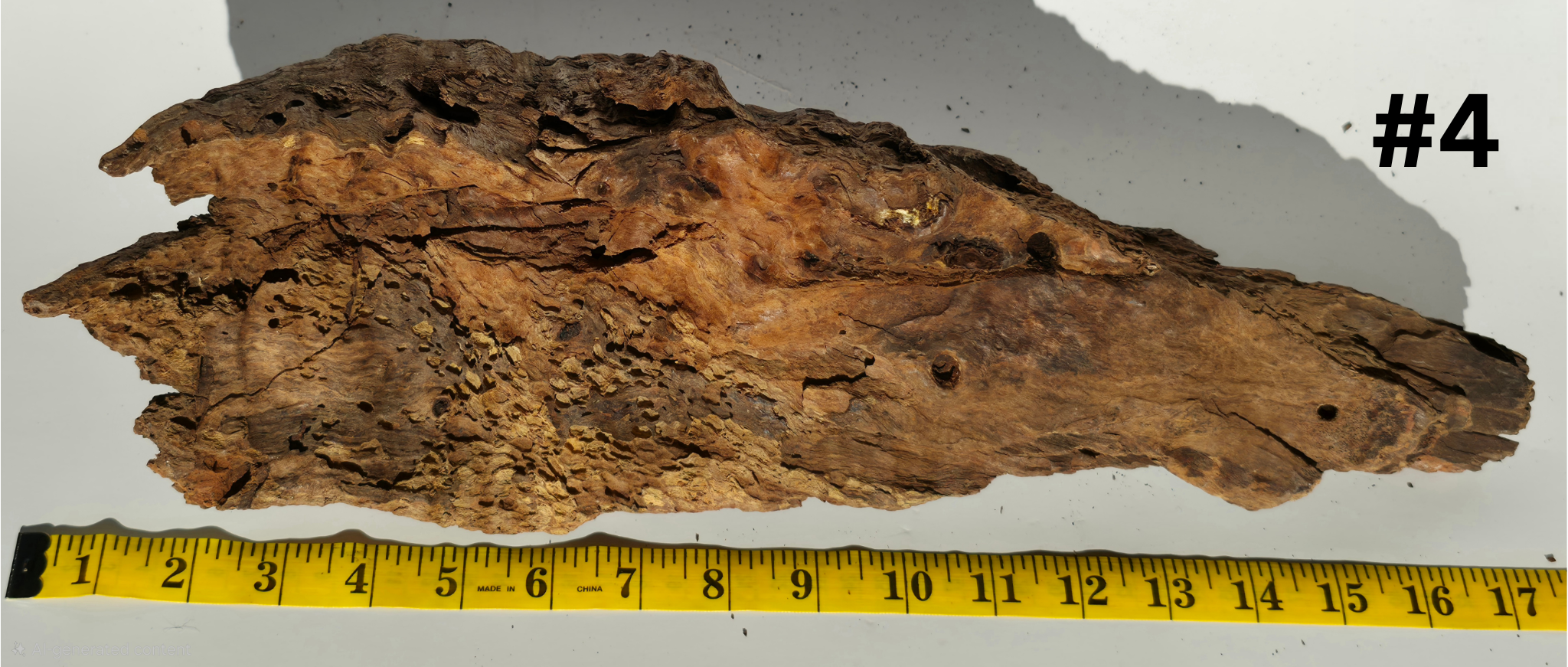
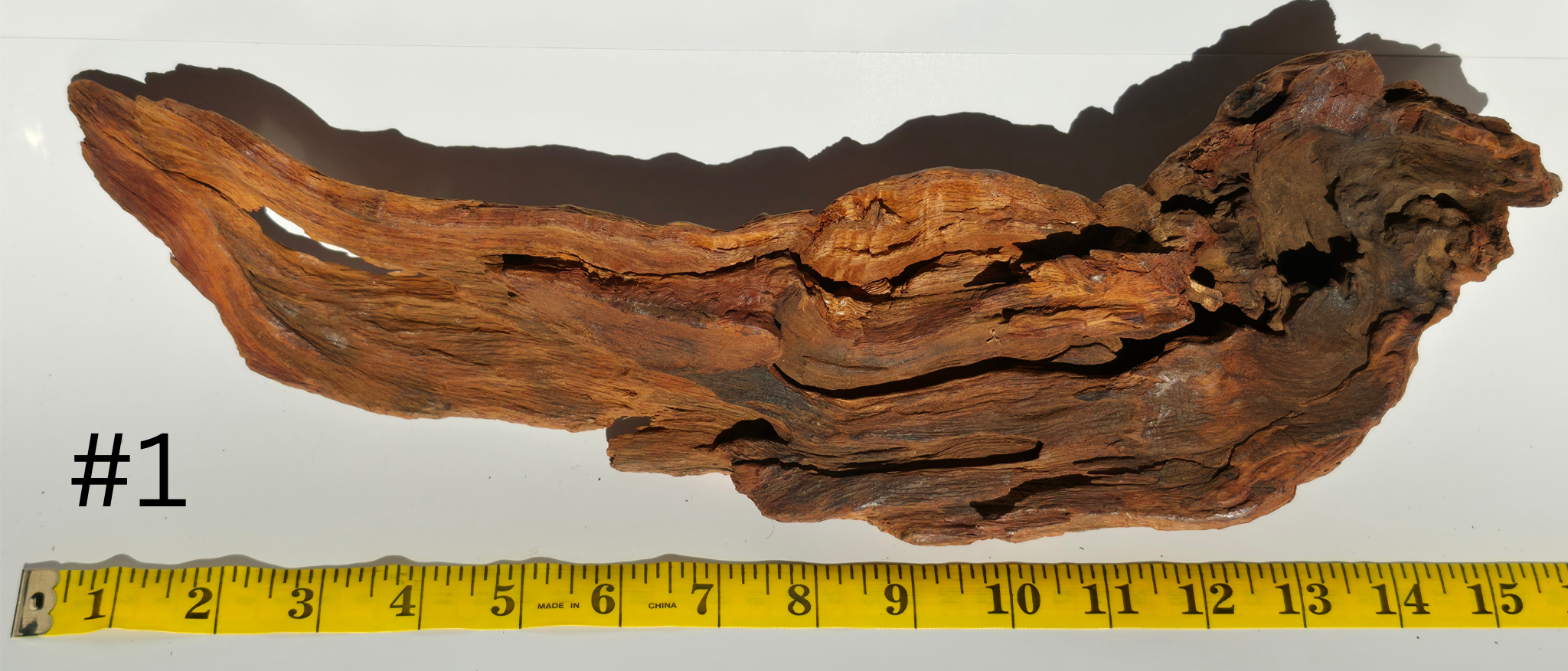
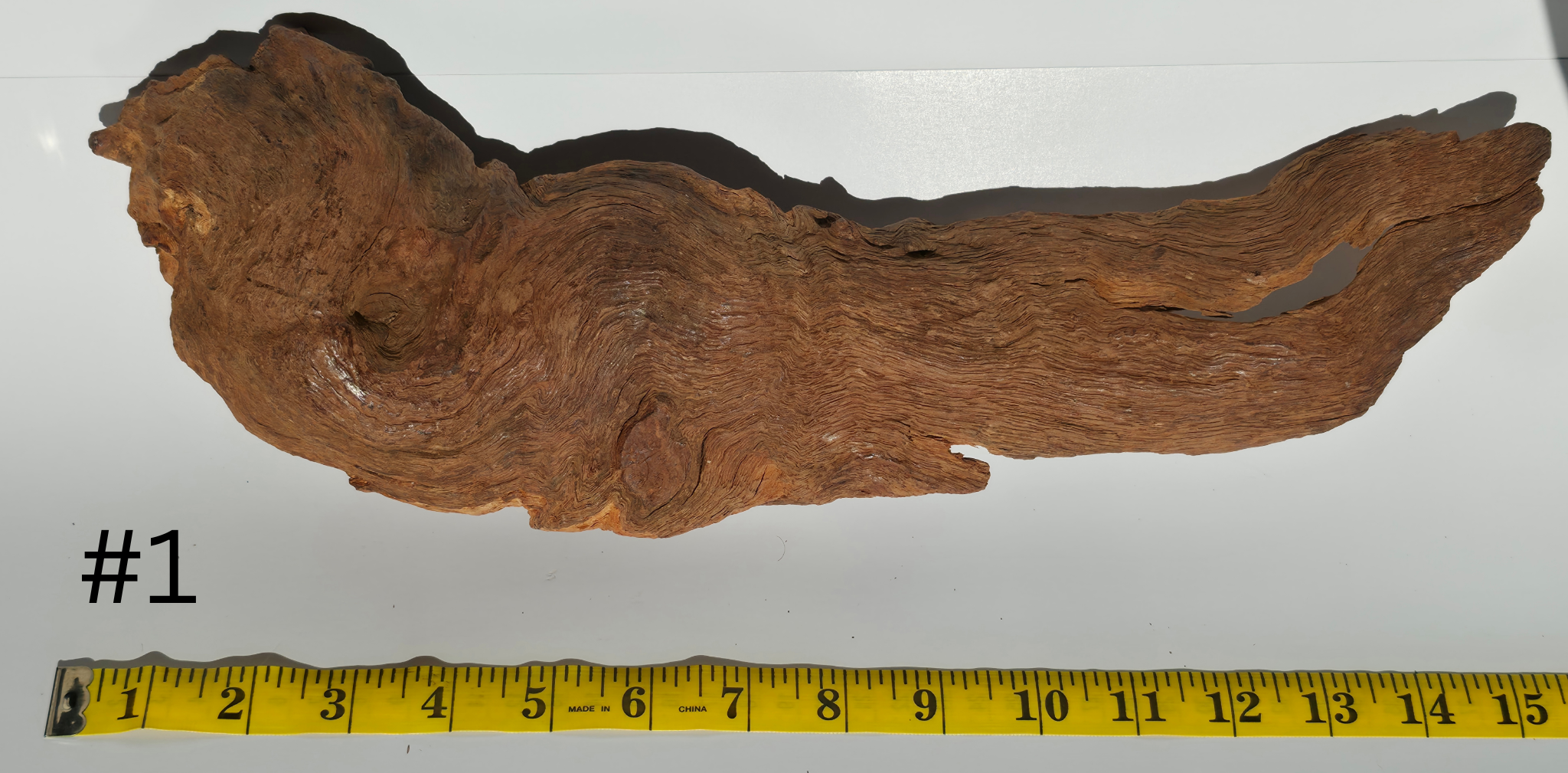
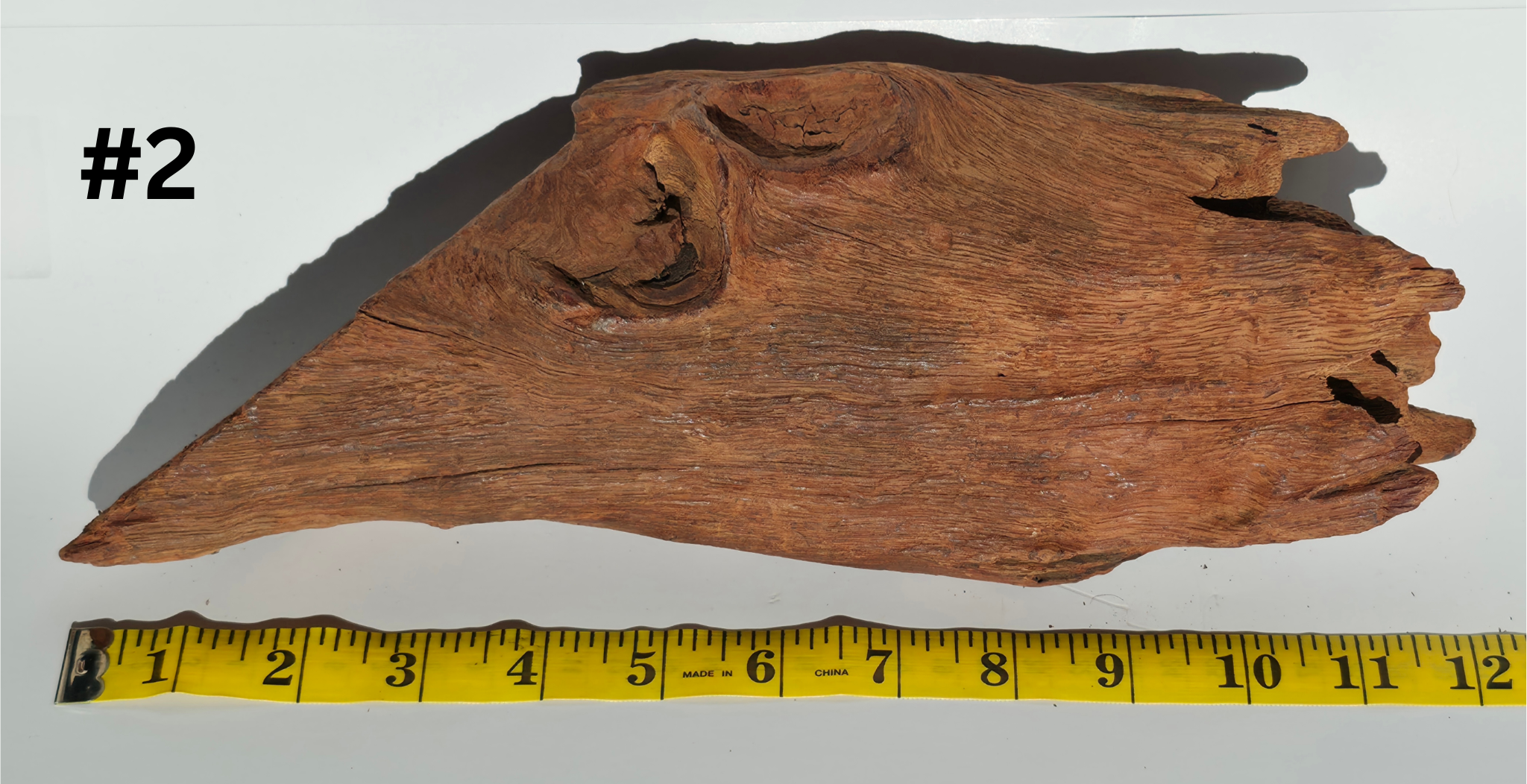
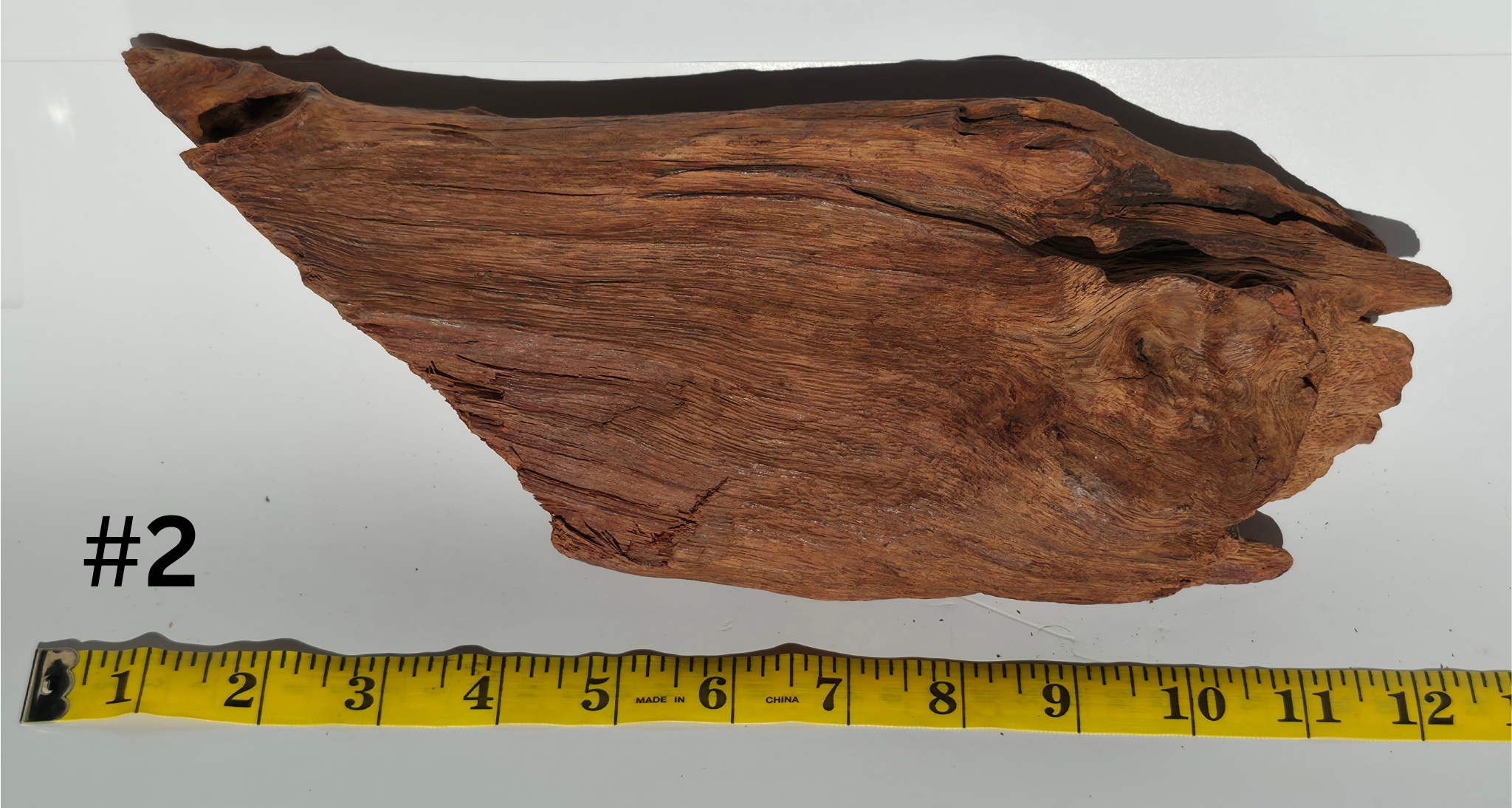
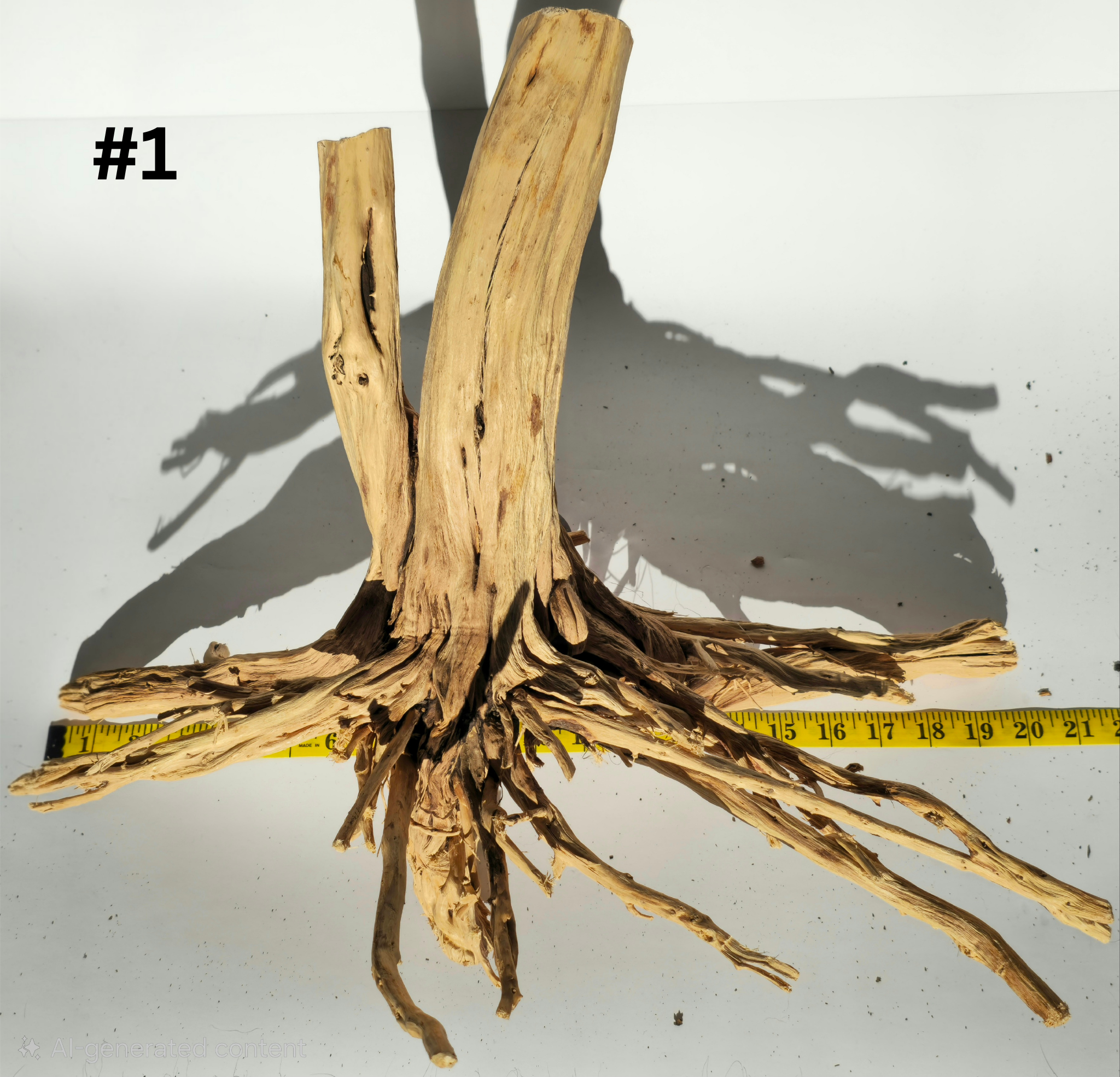
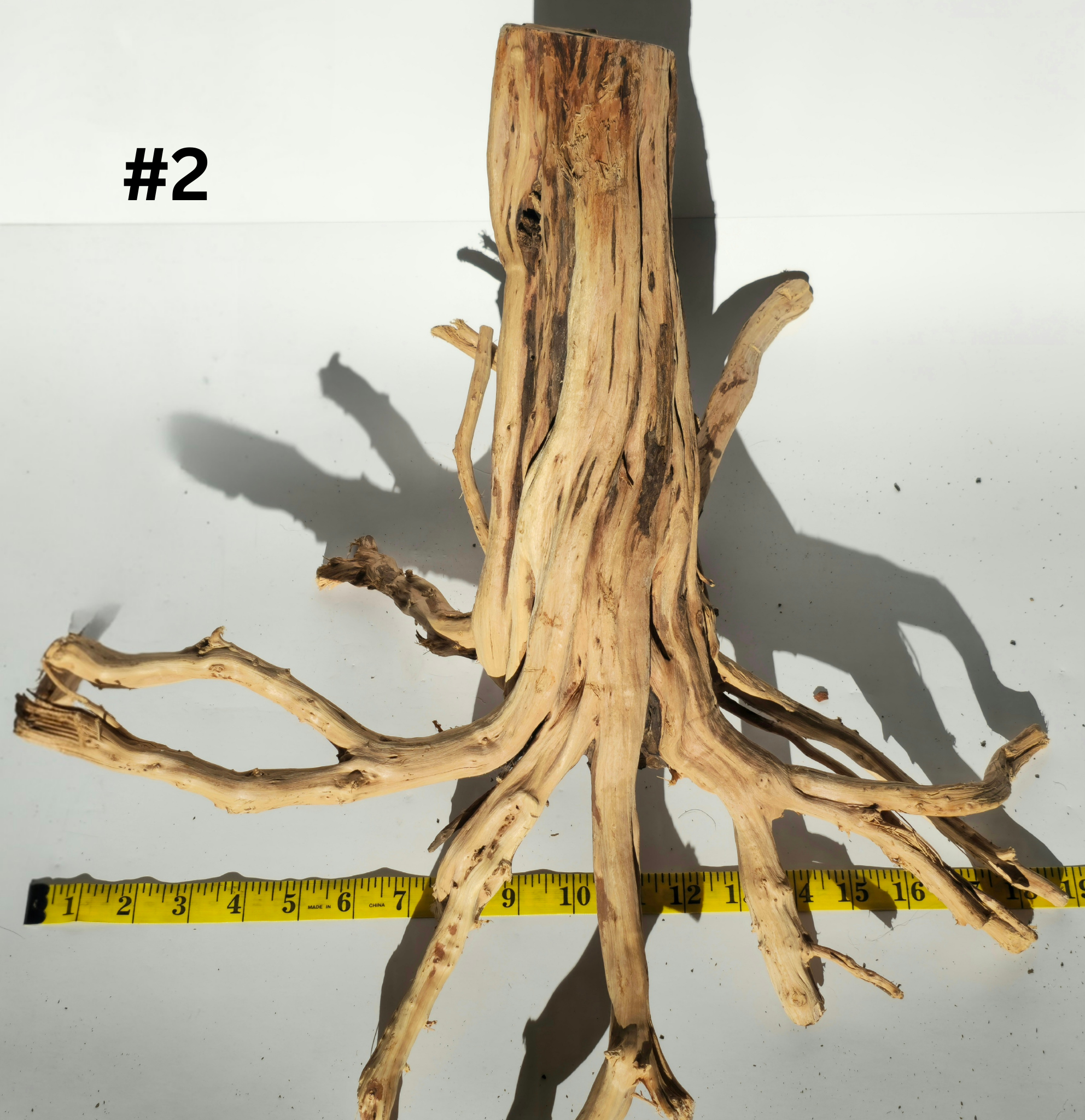
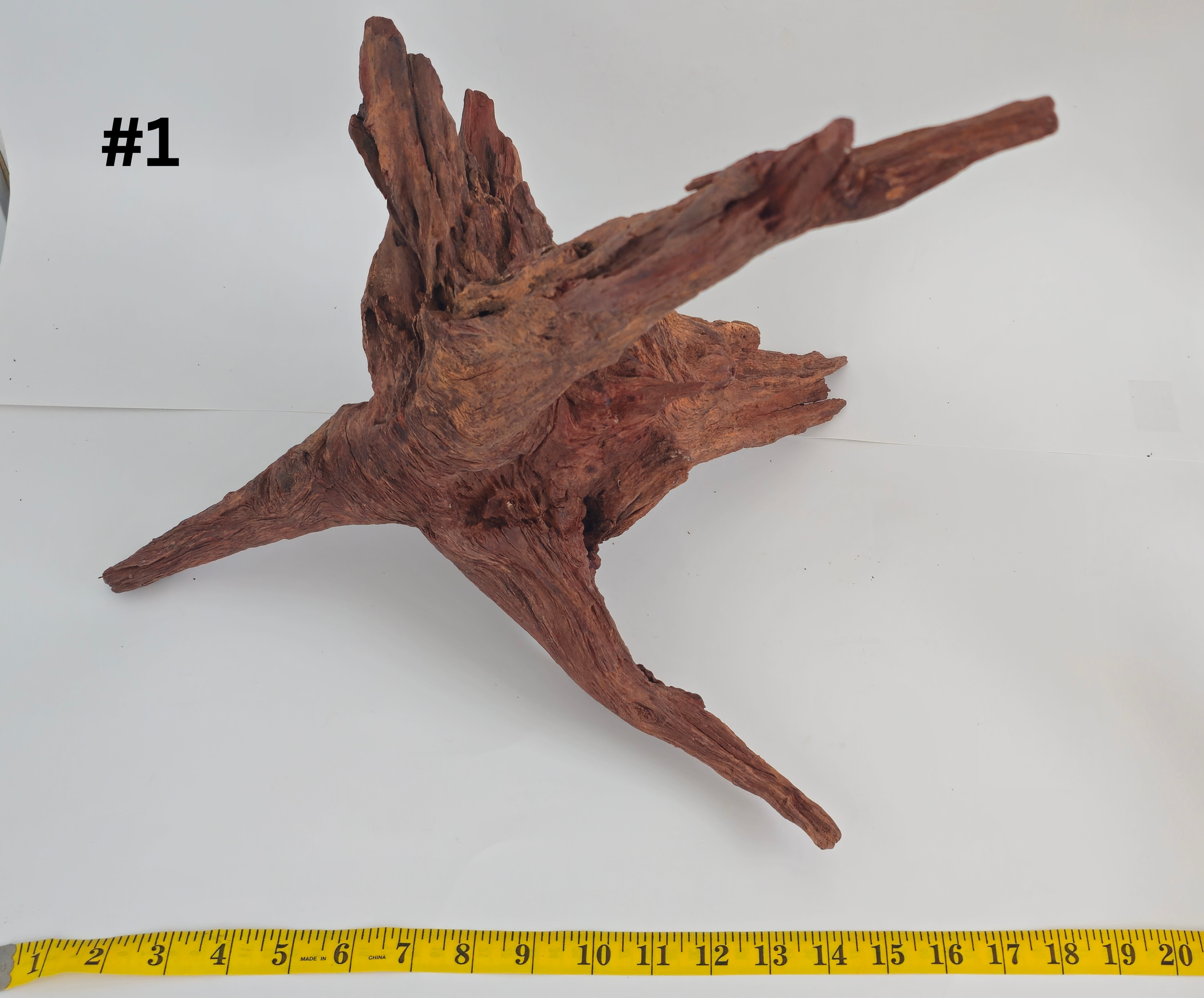
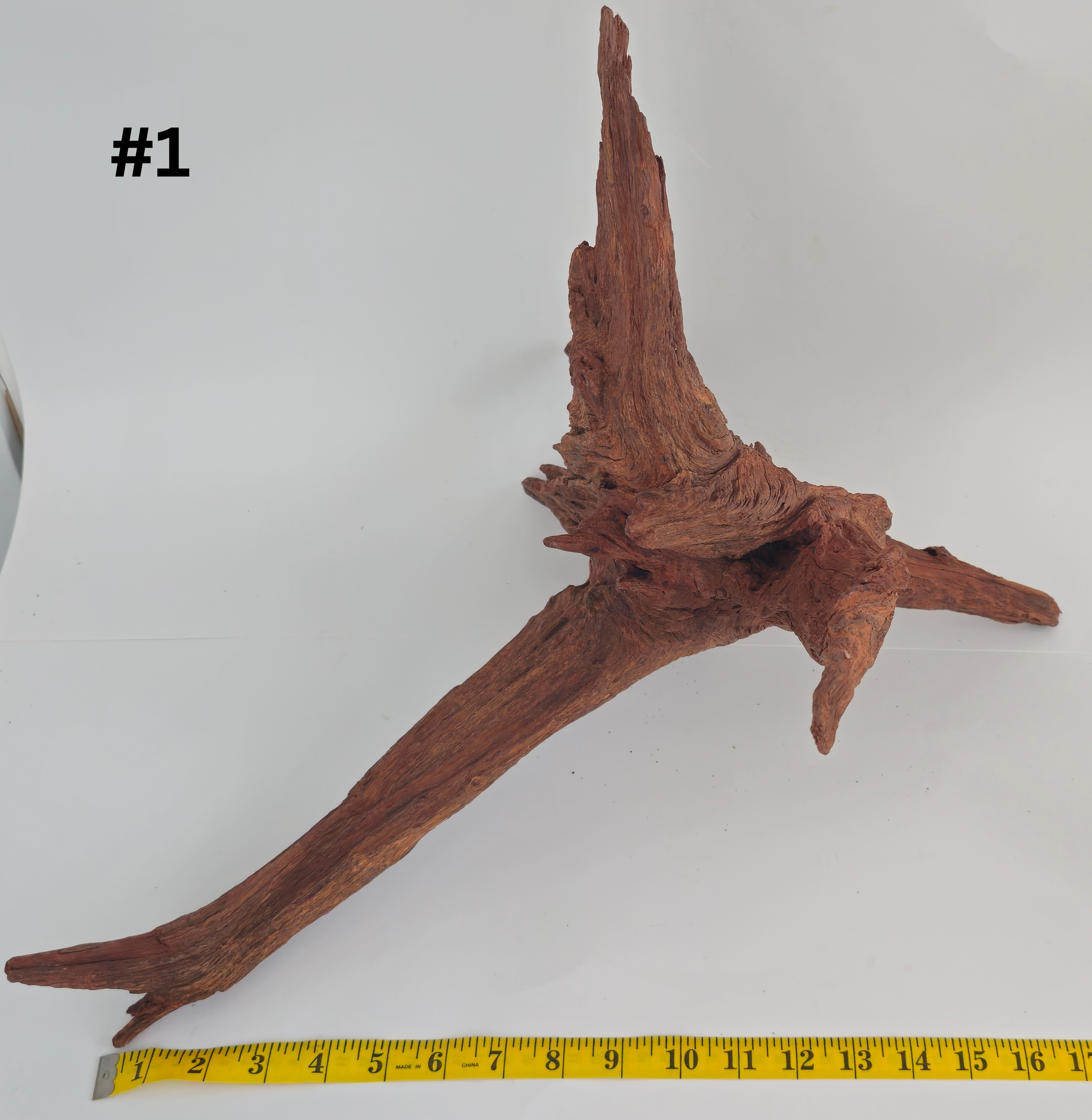
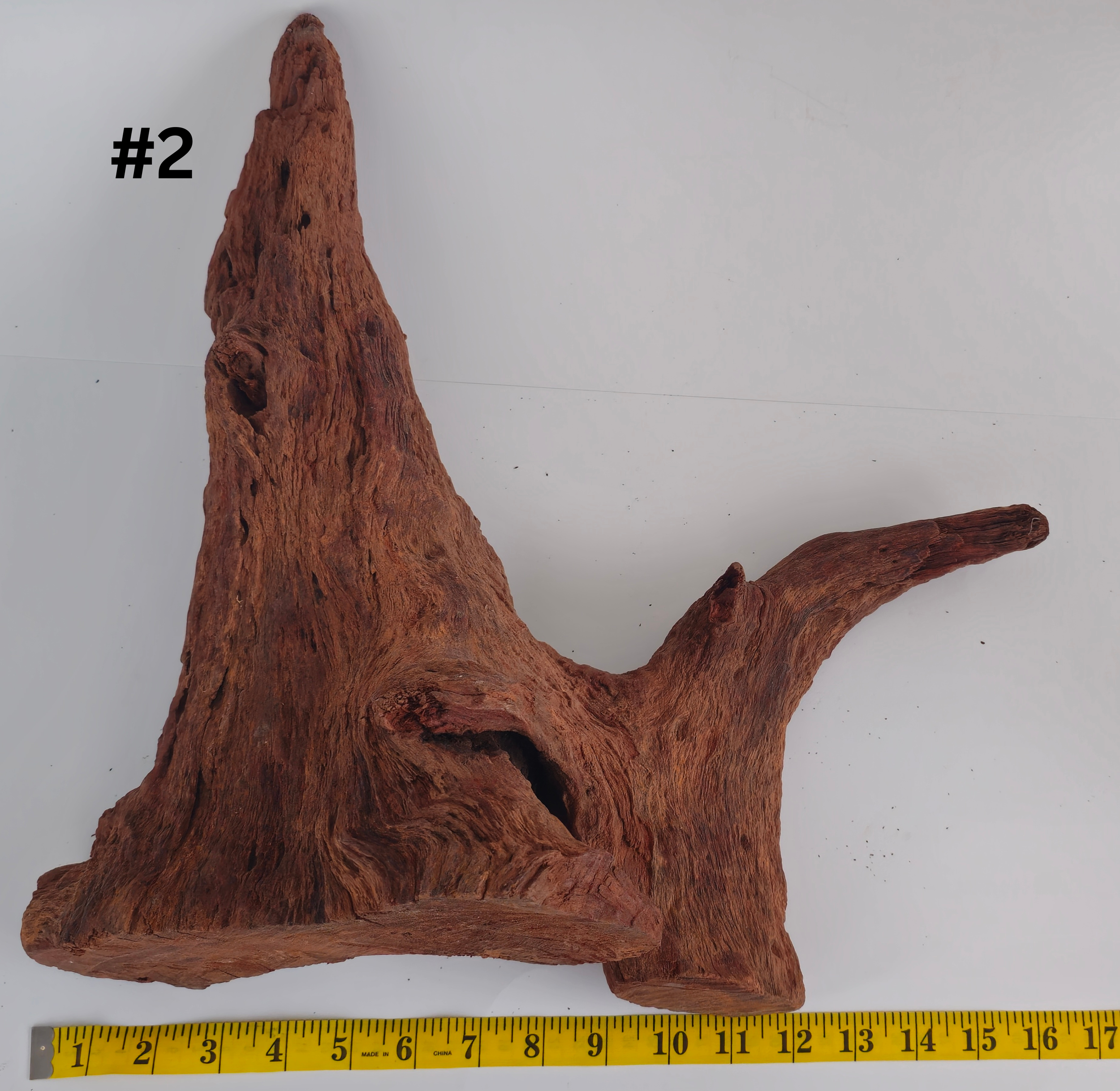
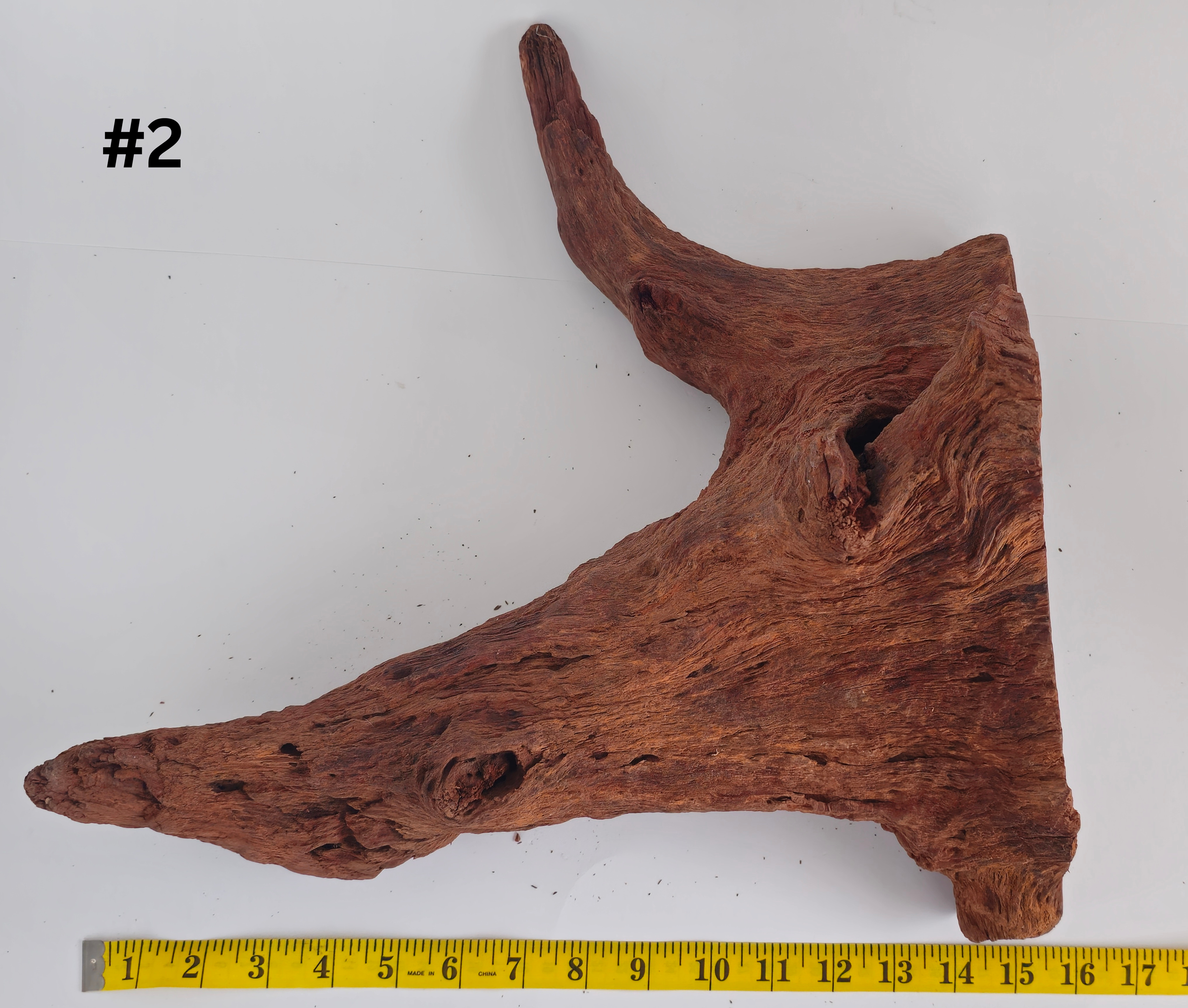
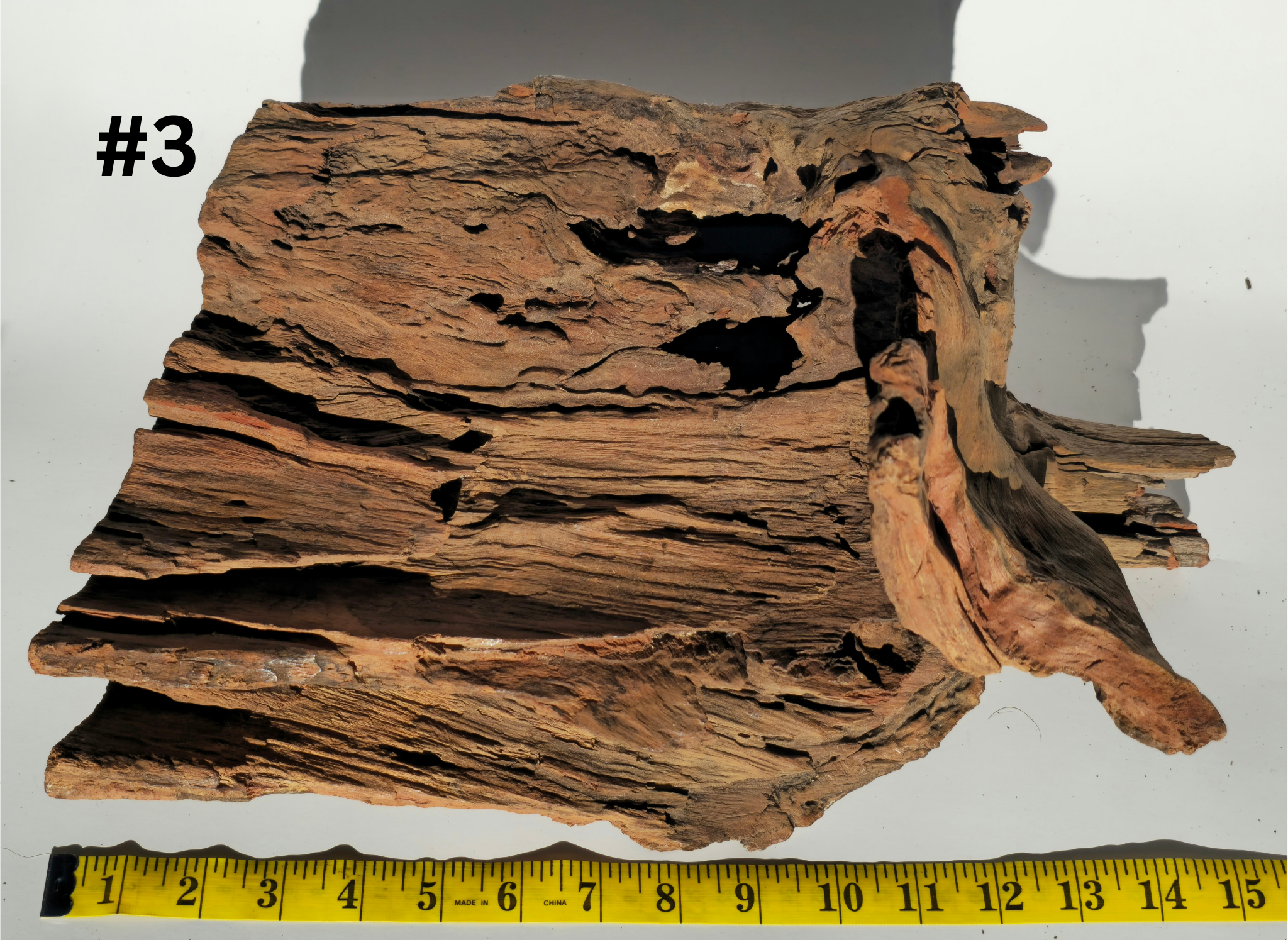
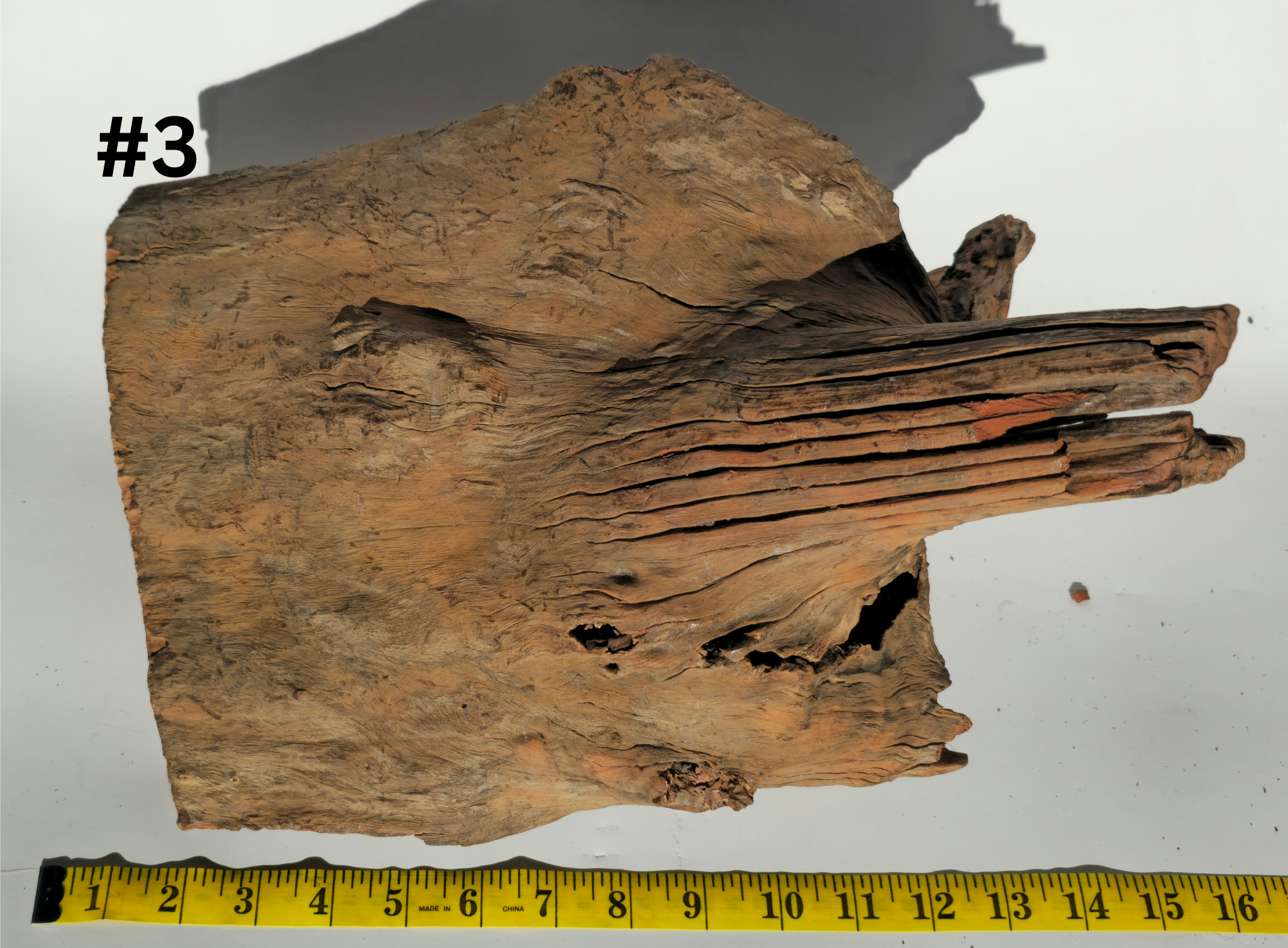
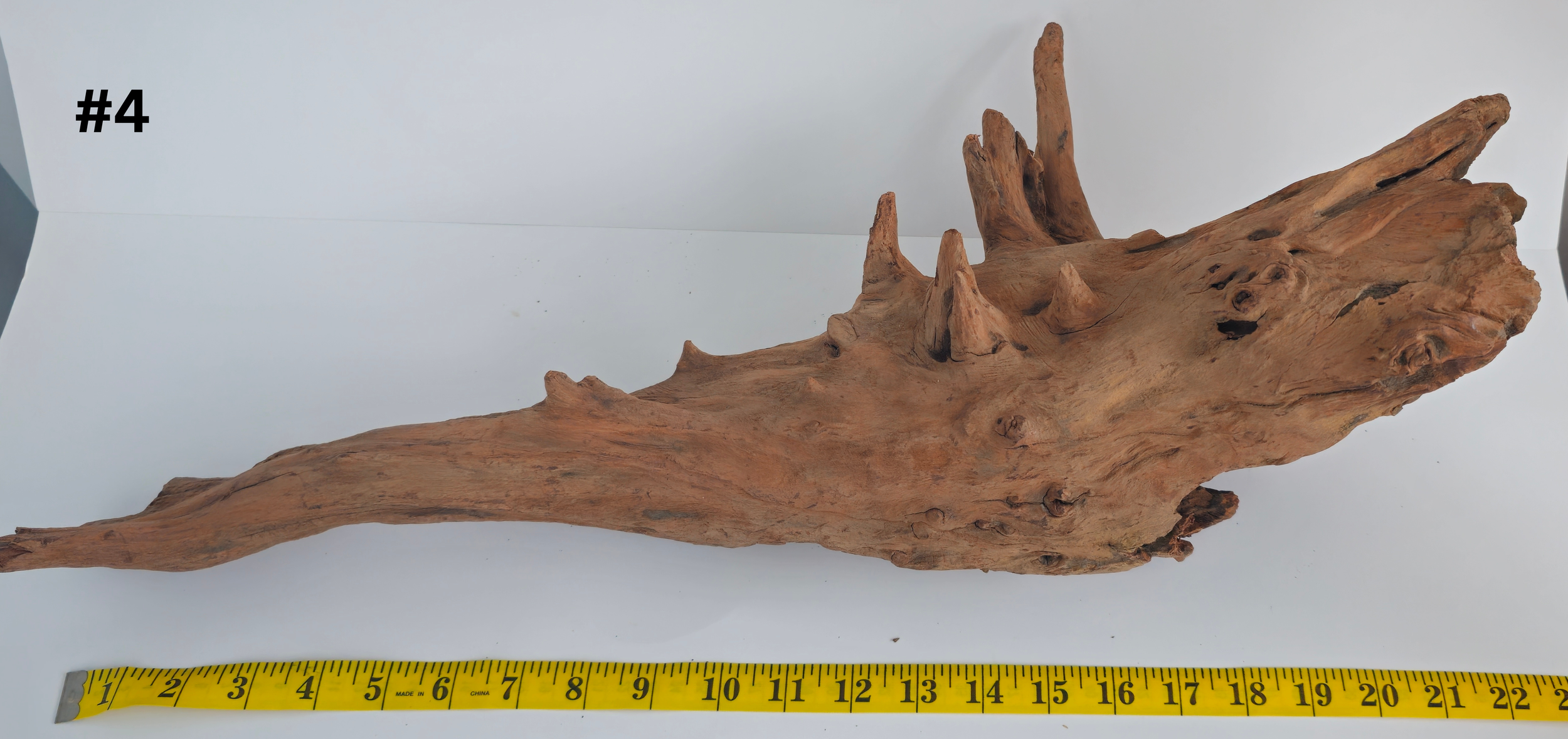
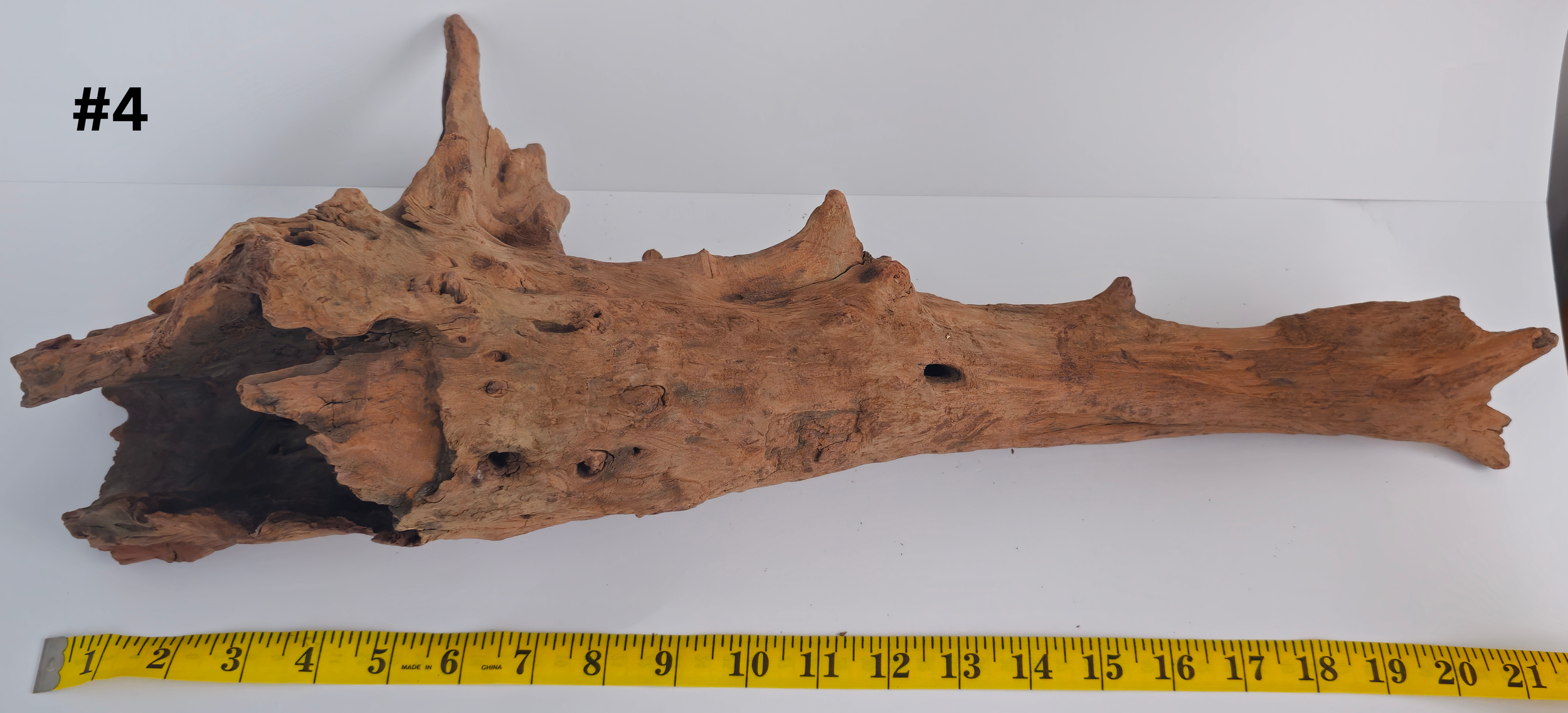
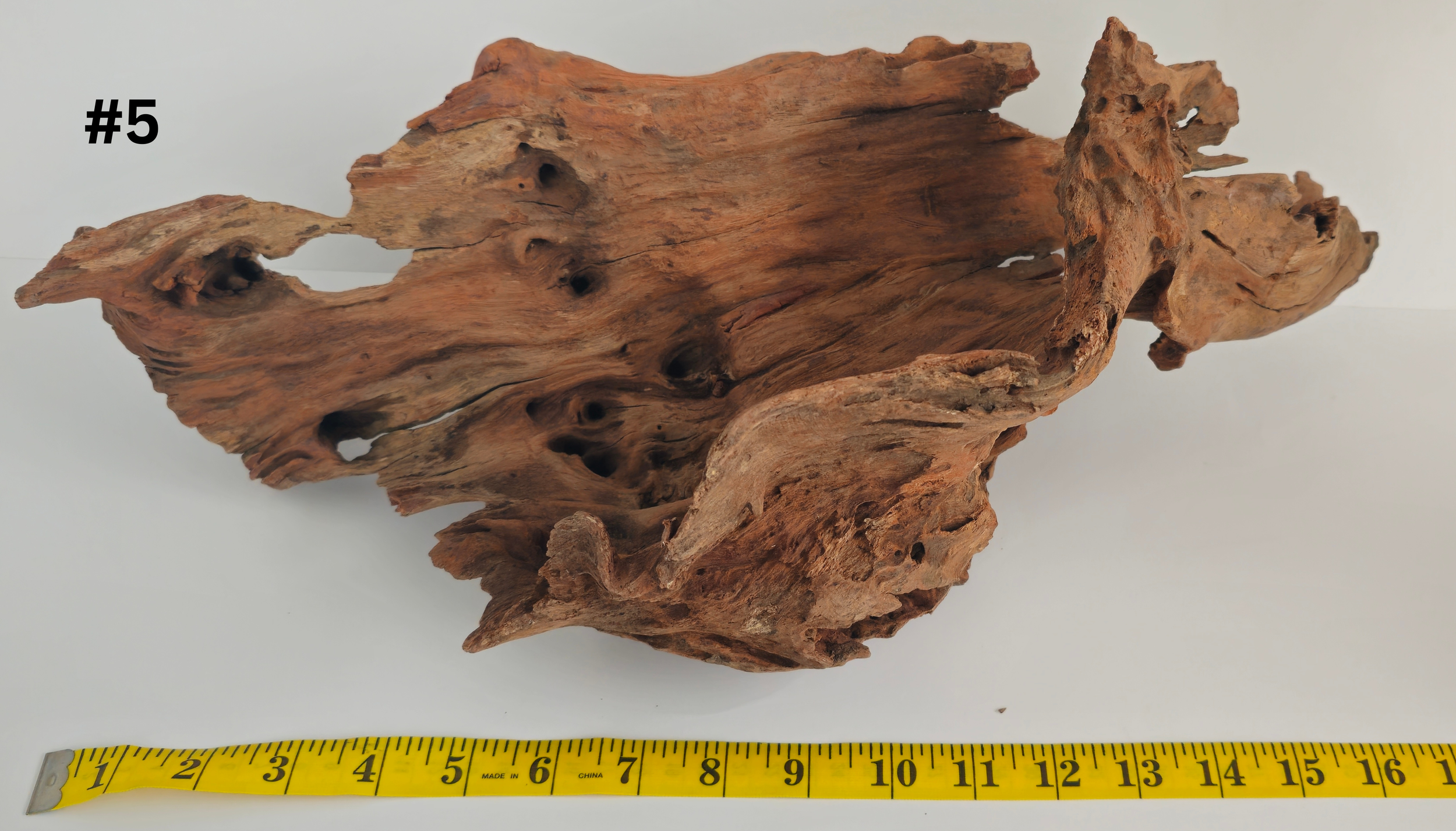
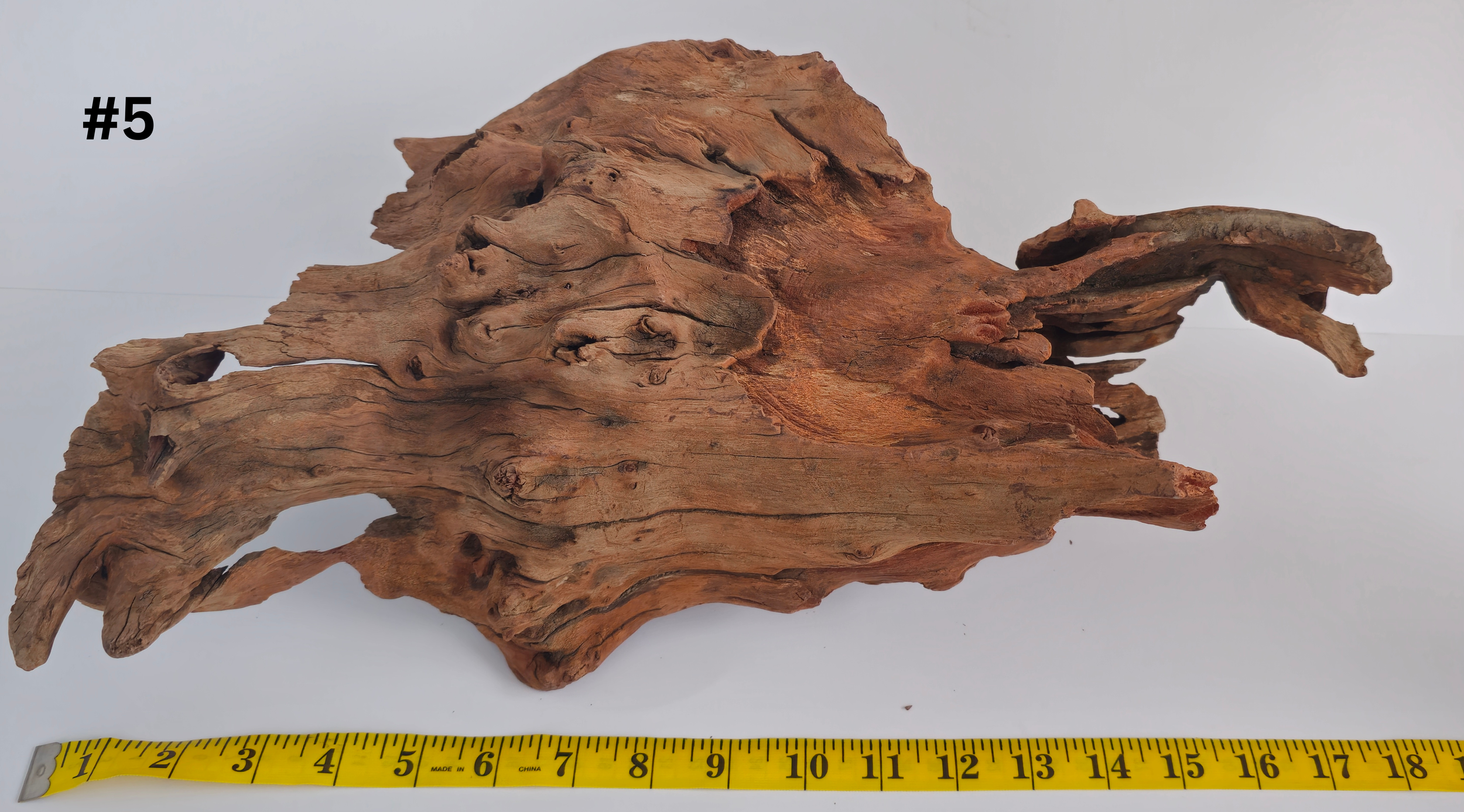
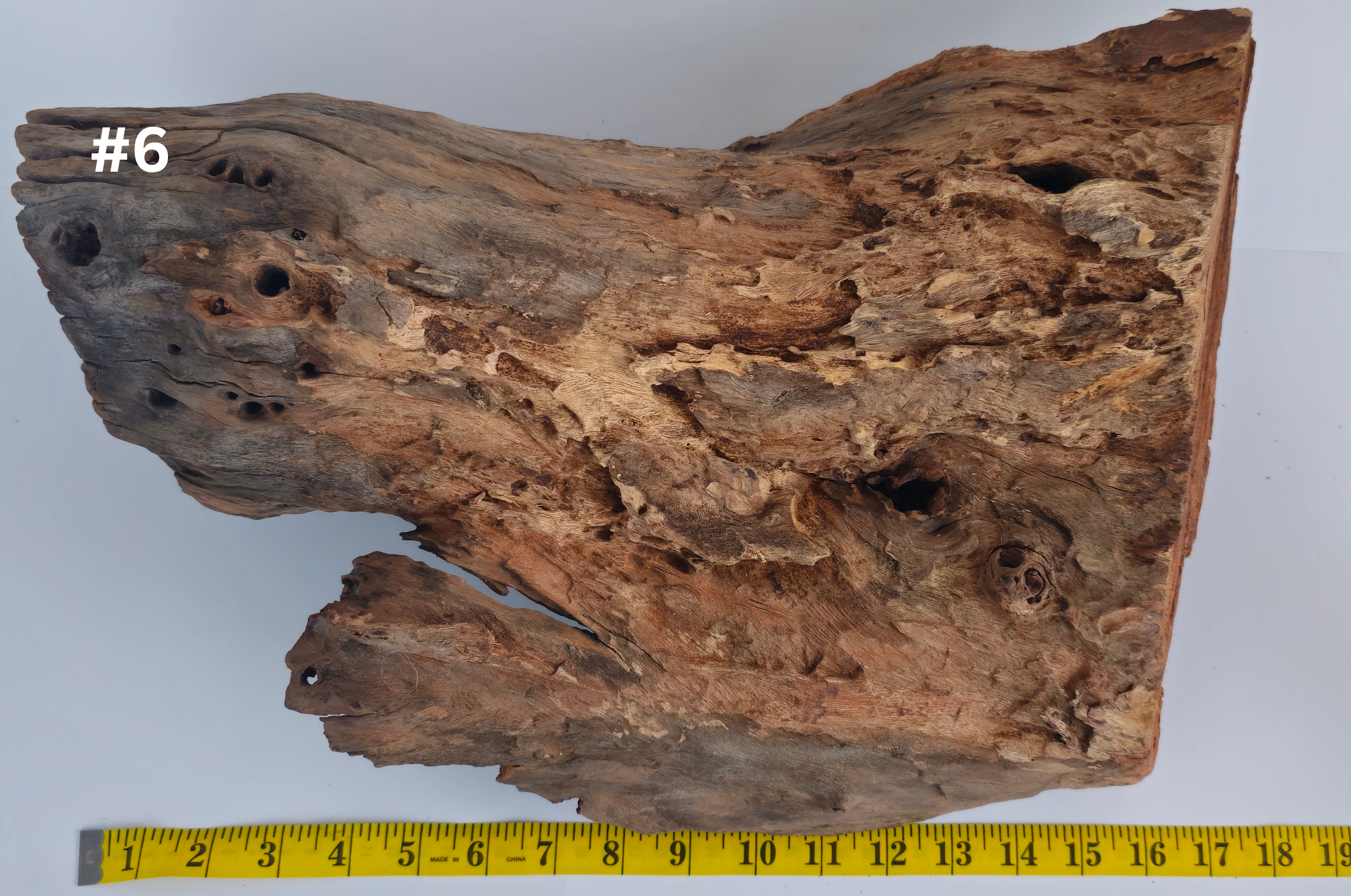
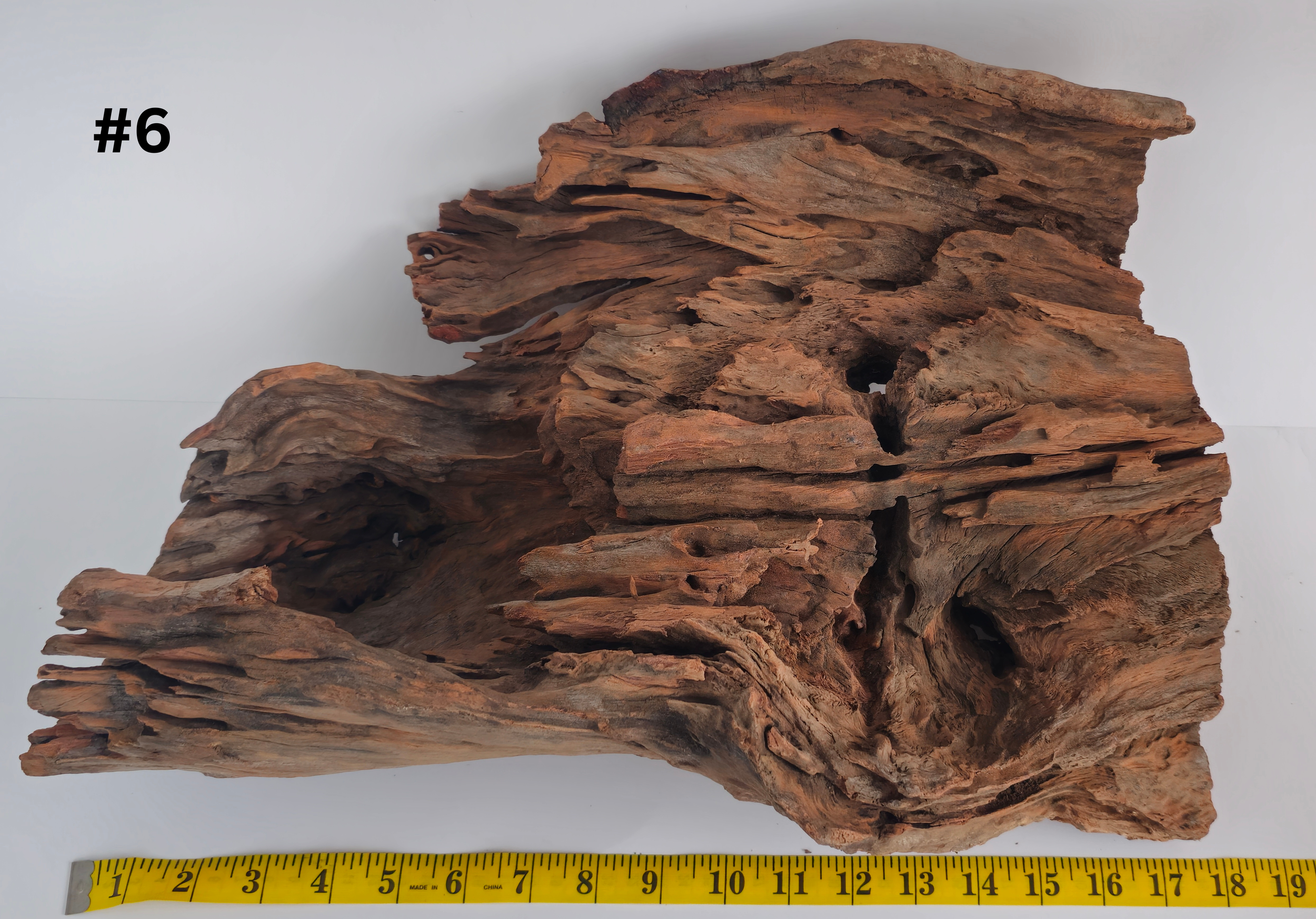
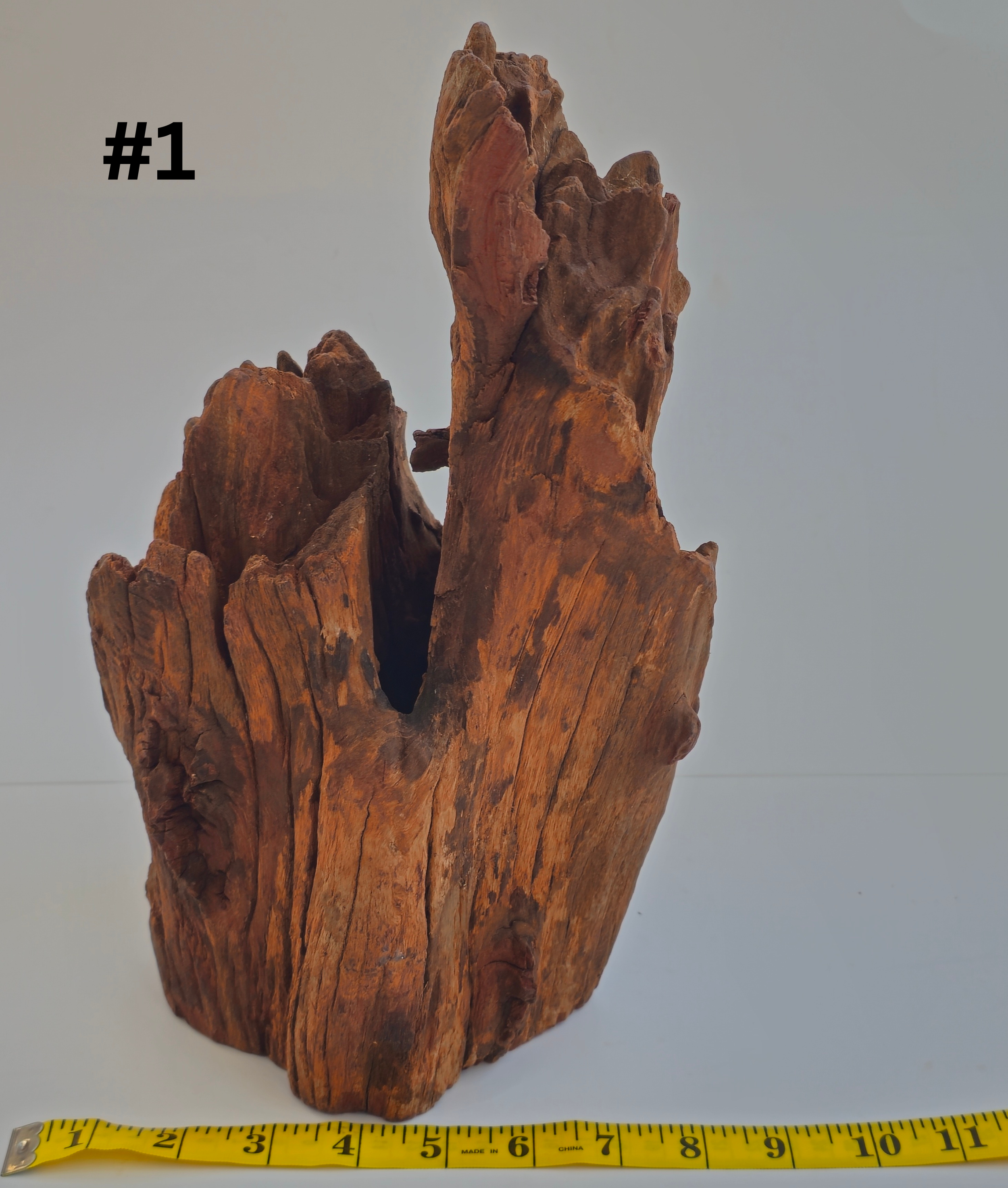
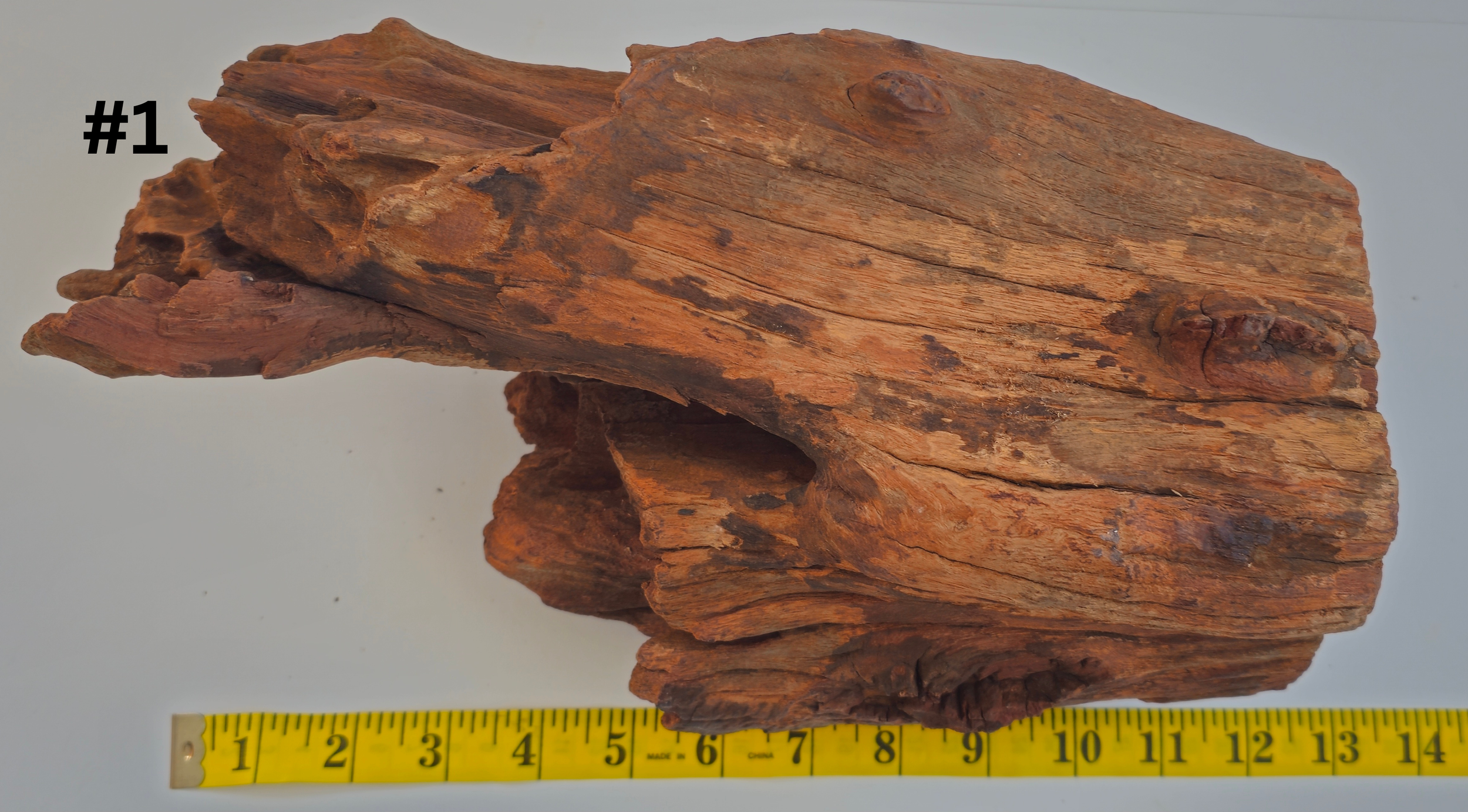
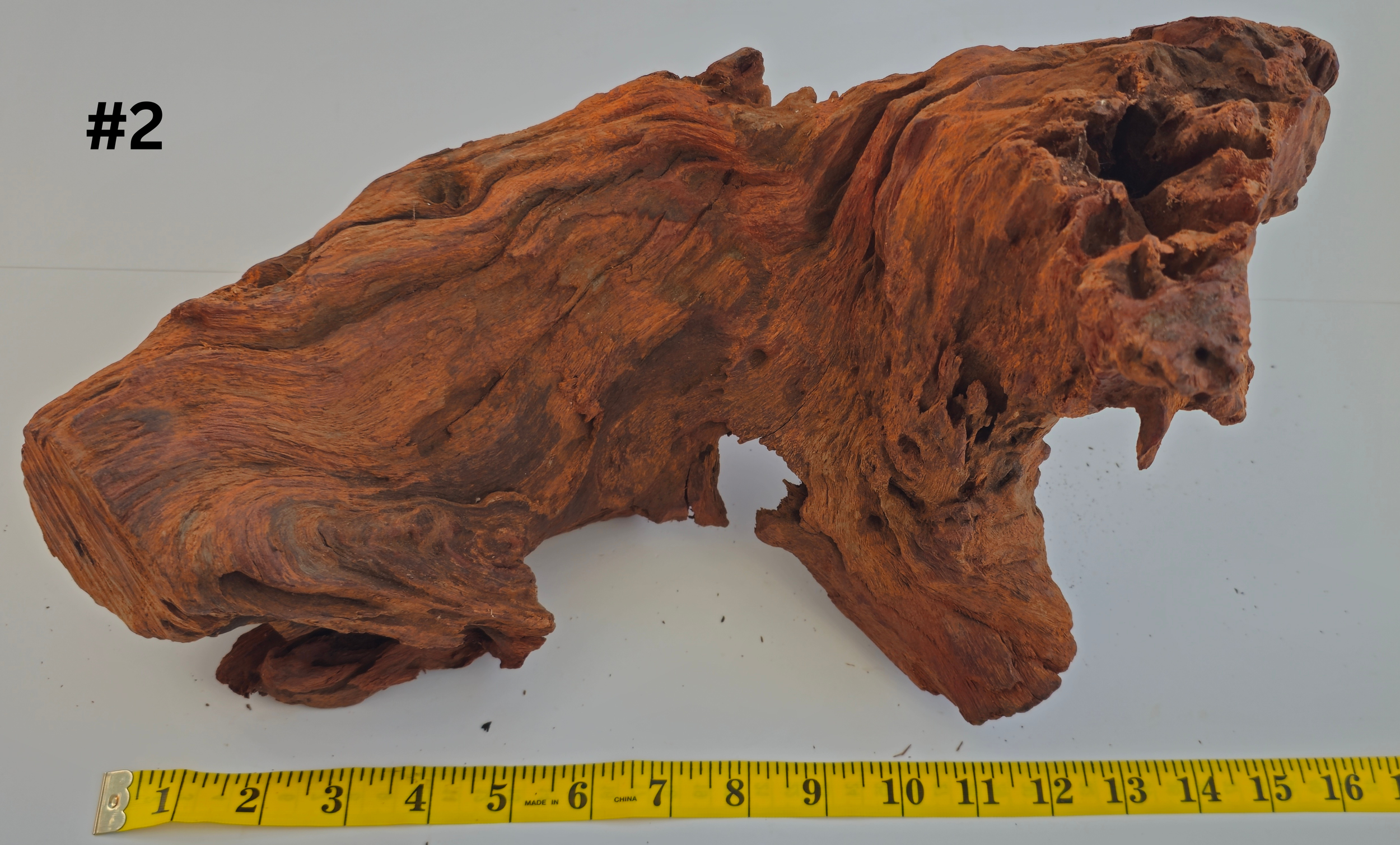
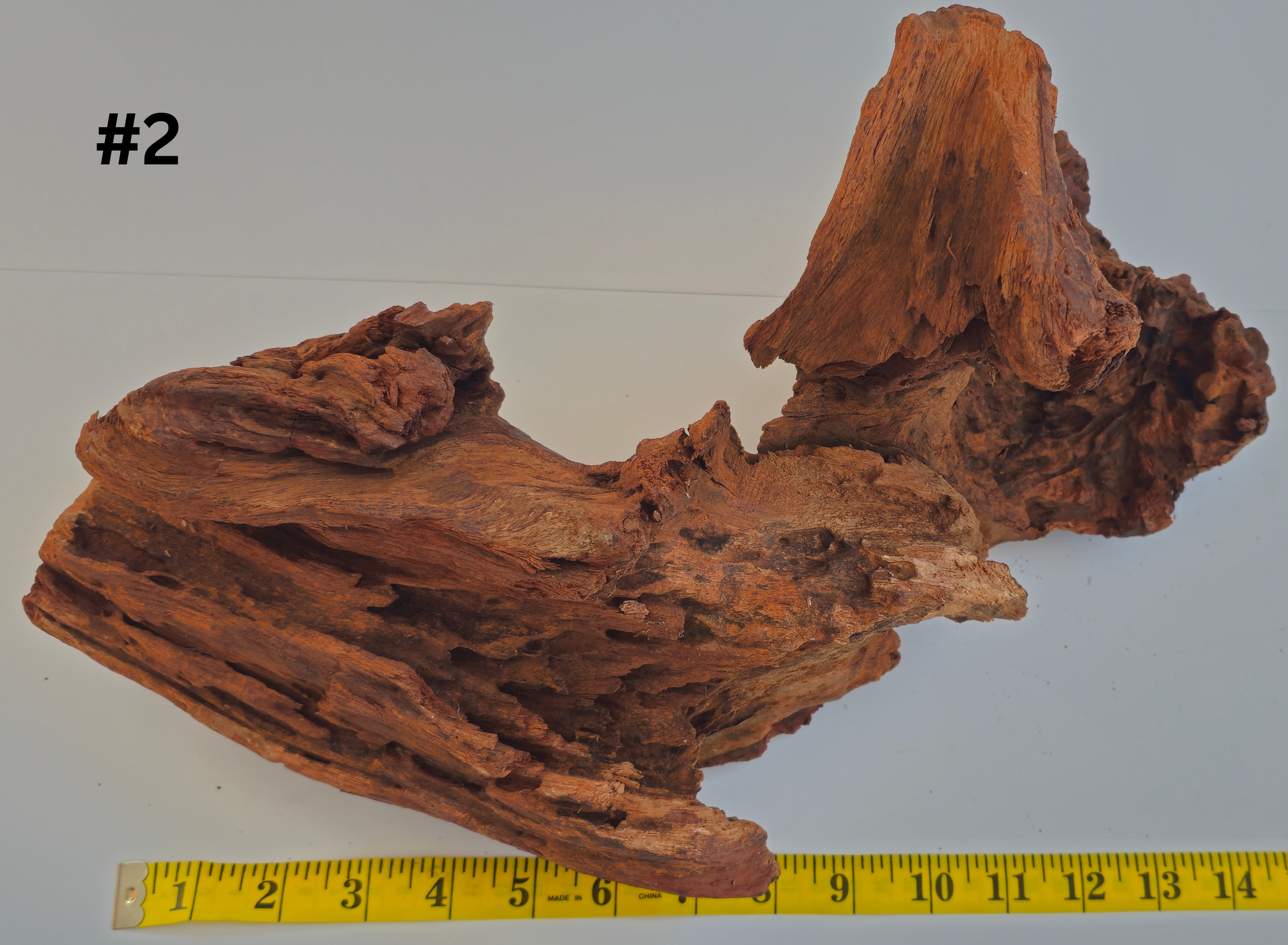
These one-of-a-kind pieces of driftwood can be used as a centerpiece addition for both aquariums and terrariums.
In aquariums, it can provide essential hiding spots and enrichment for fish, shrimp, and other aquatic life by reducing stress. Driftwood also offers a natural surface for moss, bacteria, and plants to grow, as well as adding tannins into your water which will naturally lower your pH.
In terrariums, it creates climbing places and shelter for reptiles, invertebrates, and amphibians.
How to prepare your driftwood:
Use a clean brush to gently scrub off any debris or dirt. Do NOT use any soap or chemicals as this will pollute its new environment. Rinse off the driftwood to take off any loose debris before boiling.
It is recommended to boil driftwood for 1-2 hours as this will sterilize the wood, release tannins faster, and kill off any fungal spores and bacteria.
(Optional, to help sink in aquariums) Place your driftwood in a clean large bucket/tote and let it submerge underwater for a minimum 1-2 weeks. Be sure to check it regularly and change the water if needed. Empty the bucket if you notice a darkening of the water, and add some clean water and dechlorinator and let it continue to soak. Repeat until you notice the water to be clear or mostly clear for several days in a row.
Even after soaking, you may notice the driftwood may still release tannins into the water. If you are looking to clarify your water, you can use a filter media called Purigen, or activated charcoal.
If you notice your driftwood is still buoyant after soaking, you can attach rocks to weigh it down by using fishing line.
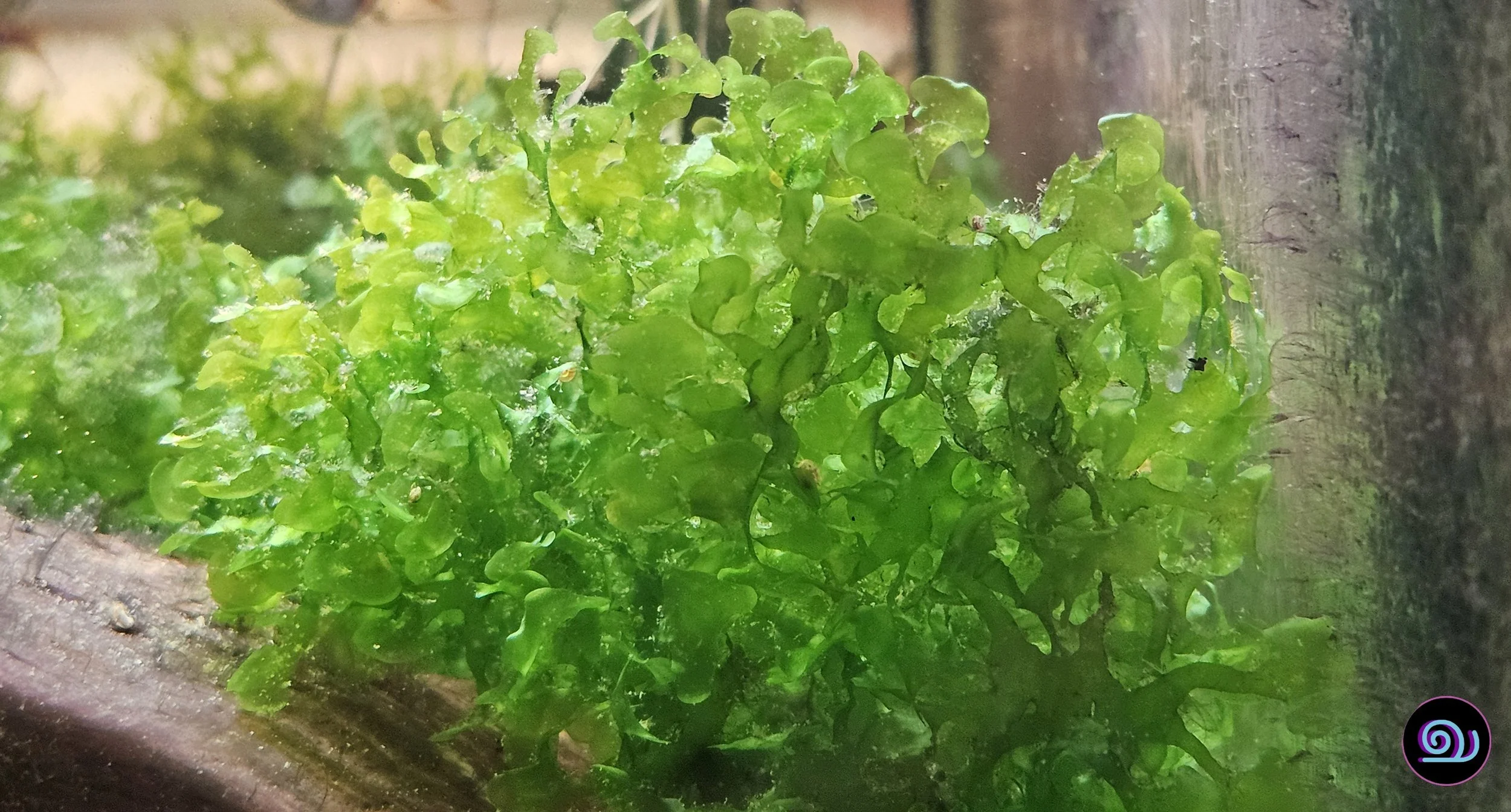
If you're looking to attach plants, such as java moss or java fern, you can attach the plants by lightly securing them with fishing line. Once you notice the plants have fully attached to the driftwood, you can cut the fishing line.
Our driftwood is imported from Vietnam and they’re heat treated to remove moisture and kill bacteria to make sure they are aquarium and terrarium safe.
Be sure to check out all the unique driftwood types we have in stock. No piece is alike!
No returns/refunds
These one-of-a-kind pieces of driftwood can be used as a centerpiece addition for both aquariums and terrariums.
In aquariums, it can provide essential hiding spots and enrichment for fish, shrimp, and other aquatic life by reducing stress. Driftwood also offers a natural surface for moss, bacteria, and plants to grow, as well as adding tannins into your water which will naturally lower your pH.
In terrariums, it creates climbing places and shelter for reptiles, invertebrates, and amphibians.
How to prepare your driftwood:
Use a clean brush to gently scrub off any debris or dirt. Do NOT use any soap or chemicals as this will pollute its new environment. Rinse off the driftwood to take off any loose debris before boiling.
It is recommended to boil driftwood for 1-2 hours as this will sterilize the wood, release tannins faster, and kill off any fungal spores and bacteria.
(Optional, to help sink in aquariums) Place your driftwood in a clean large bucket/tote and let it submerge underwater for a minimum 1-2 weeks. Be sure to check it regularly and change the water if needed. Empty the bucket if you notice a darkening of the water, and add some clean water and dechlorinator and let it continue to soak. Repeat until you notice the water to be clear or mostly clear for several days in a row.
Even after soaking, you may notice the driftwood may still release tannins into the water. If you are looking to clarify your water, you can use a filter media called Purigen, or activated charcoal.
If you notice your driftwood is still buoyant after soaking, you can attach rocks to weigh it down by using fishing line.
If you're looking to attach plants, such as java moss or java fern, you can attach the plants by lightly securing them with fishing line. Once you notice the plants have fully attached to the driftwood, you can cut the fishing line.
Our driftwood is imported from Vietnam and they’re heat treated to remove moisture and kill bacteria to make sure they are aquarium and terrarium safe.
Be sure to check out all the unique driftwood types we have in stock. No piece is alike!
No returns/refunds

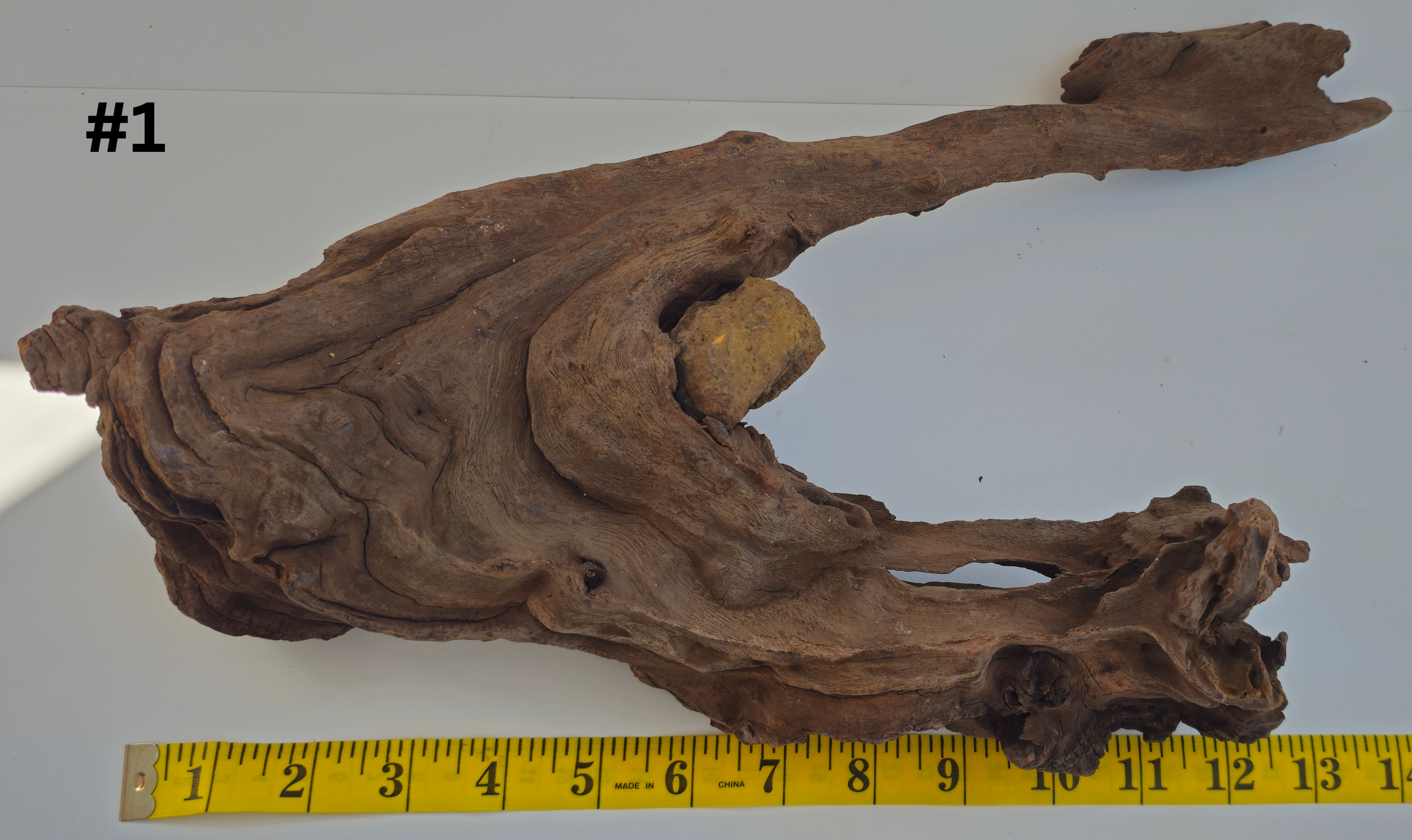 Image 1 of 8
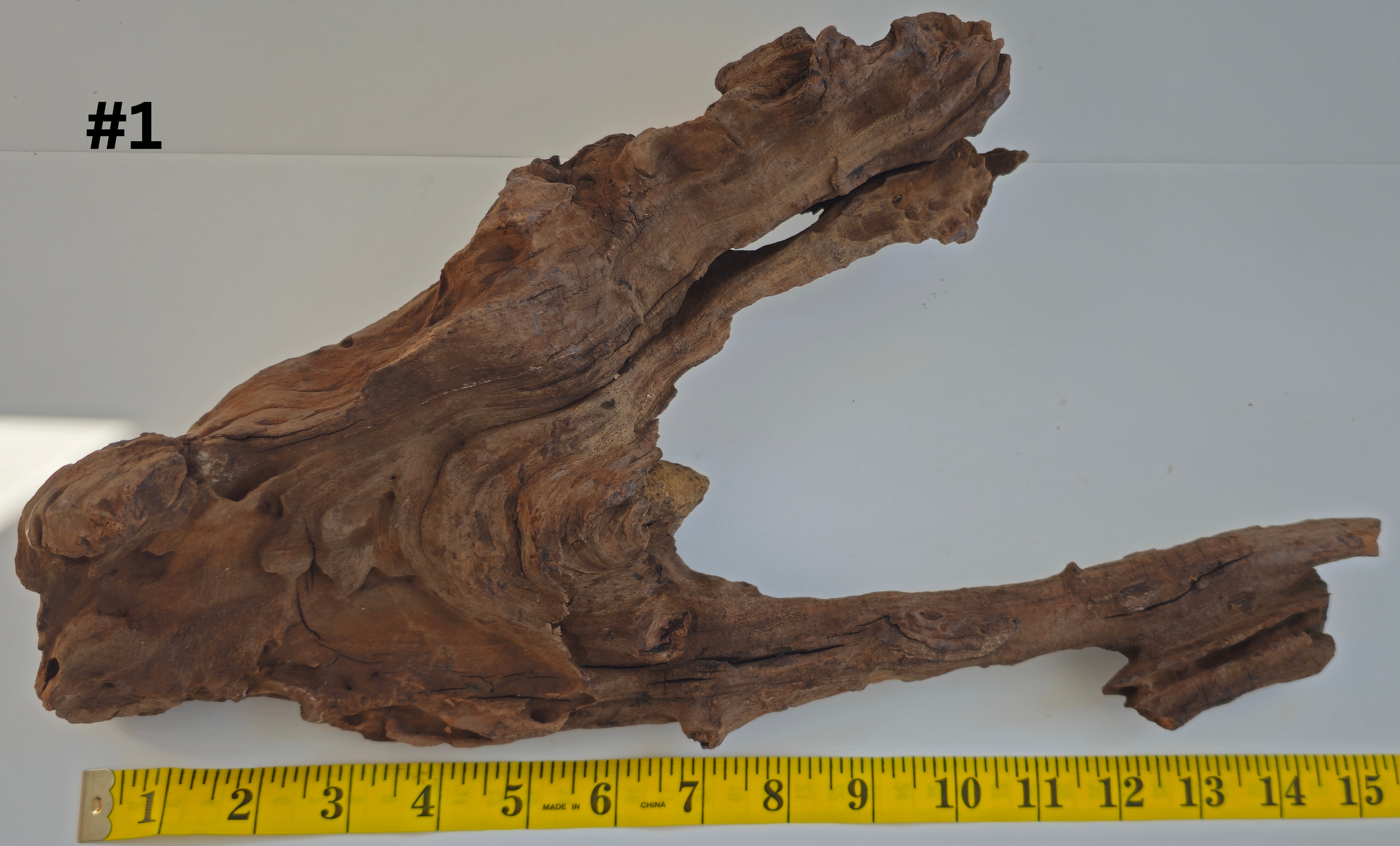 Image 2 of 8
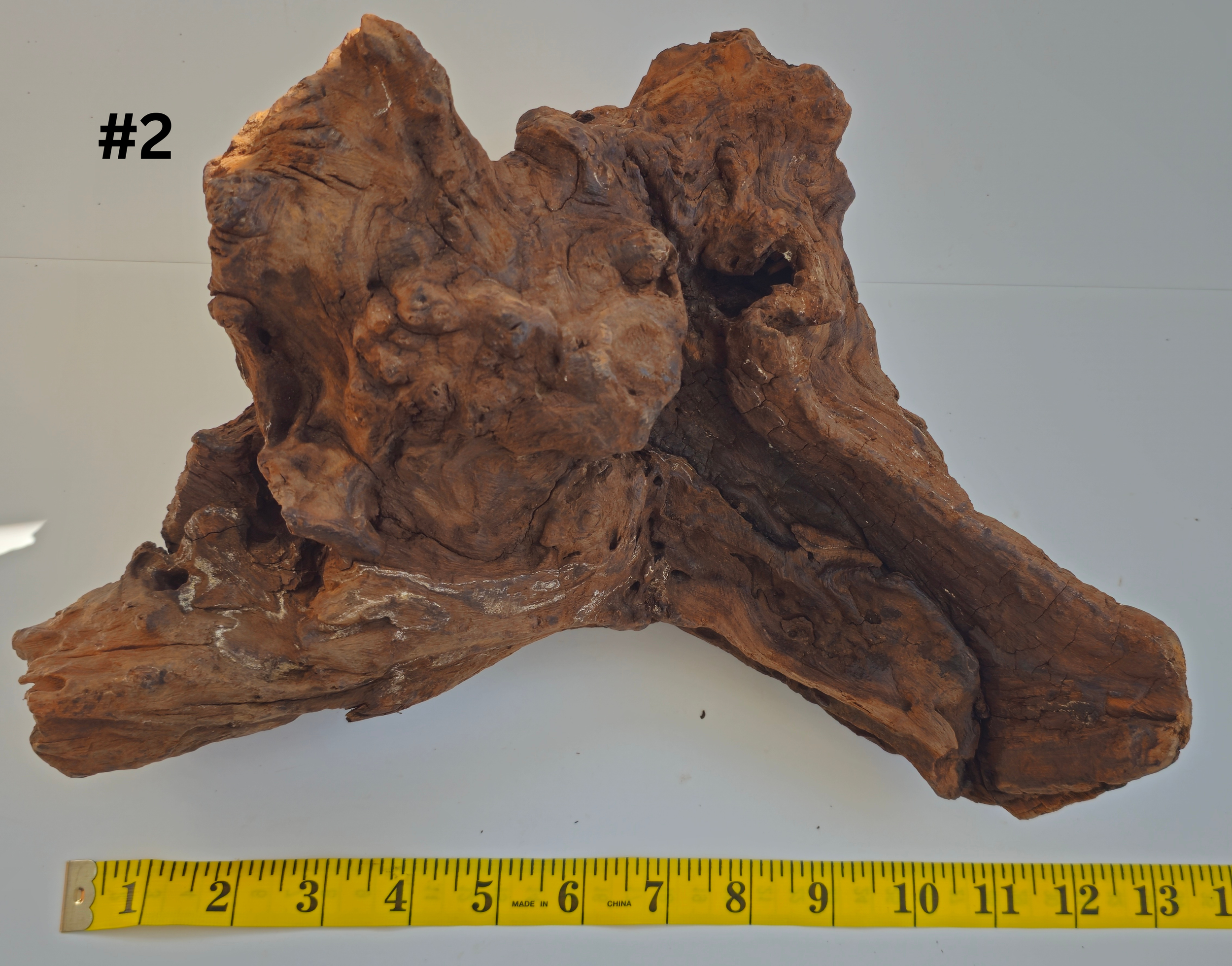 Image 3 of 8
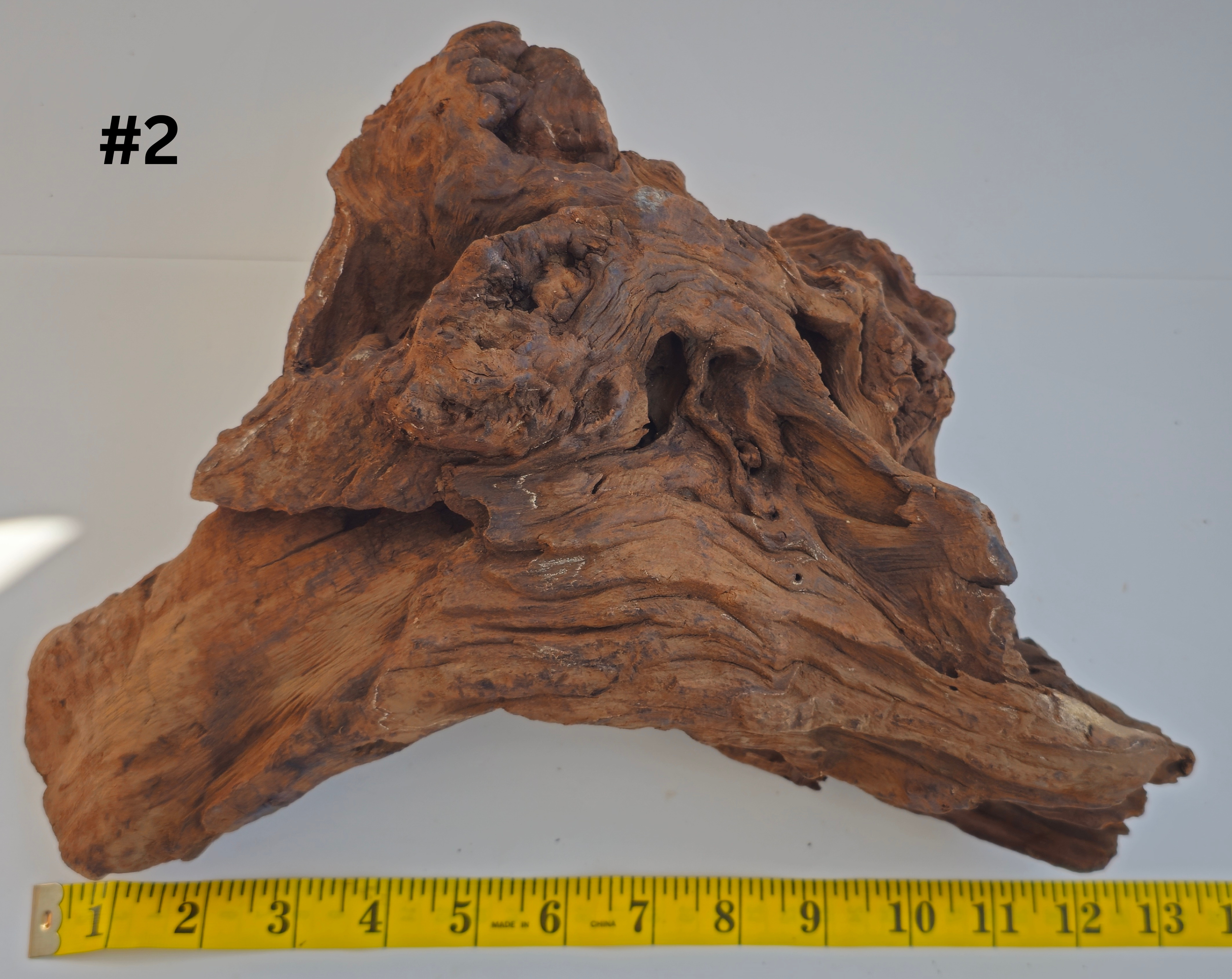 Image 4 of 8
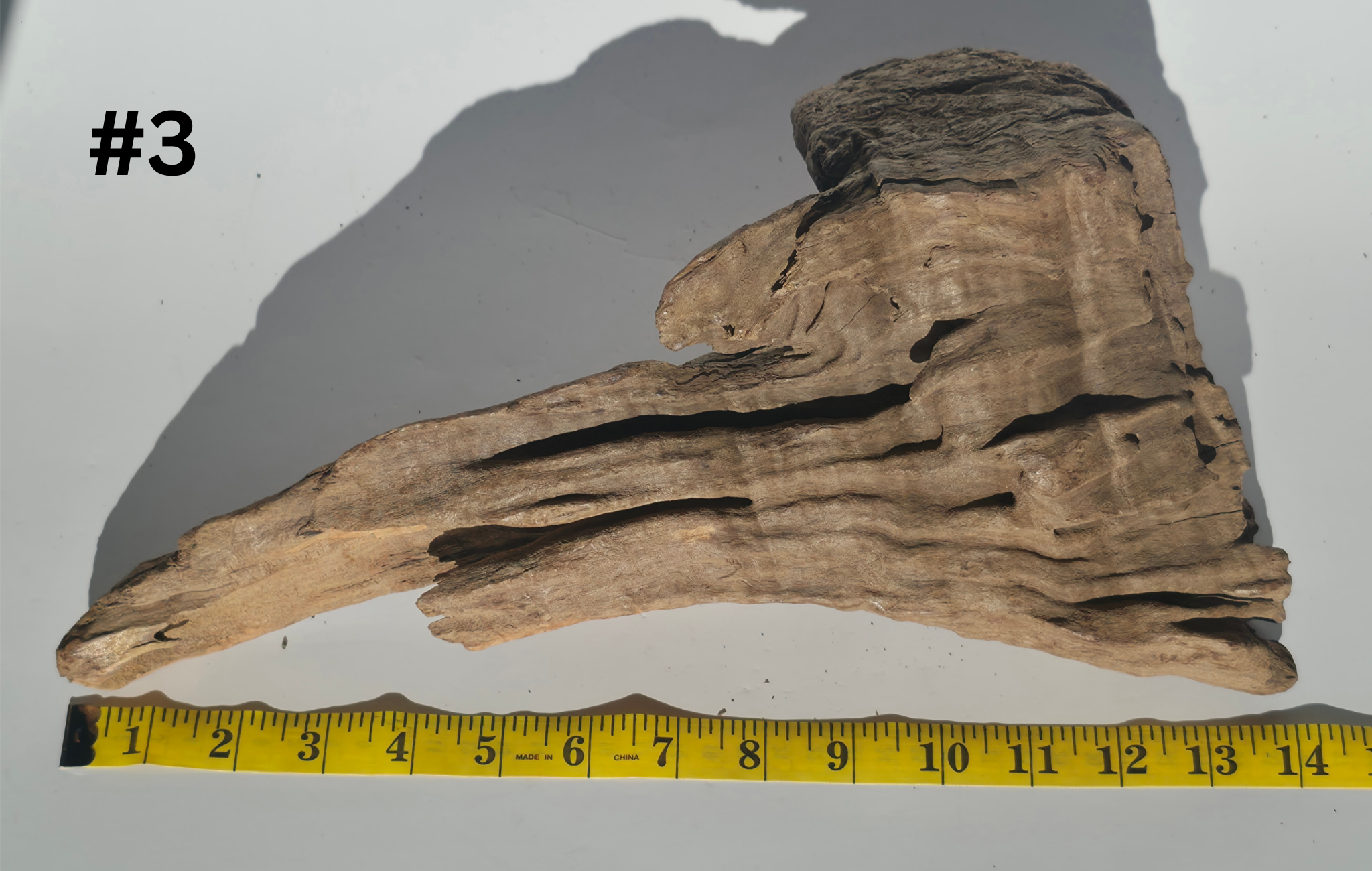 Image 5 of 8
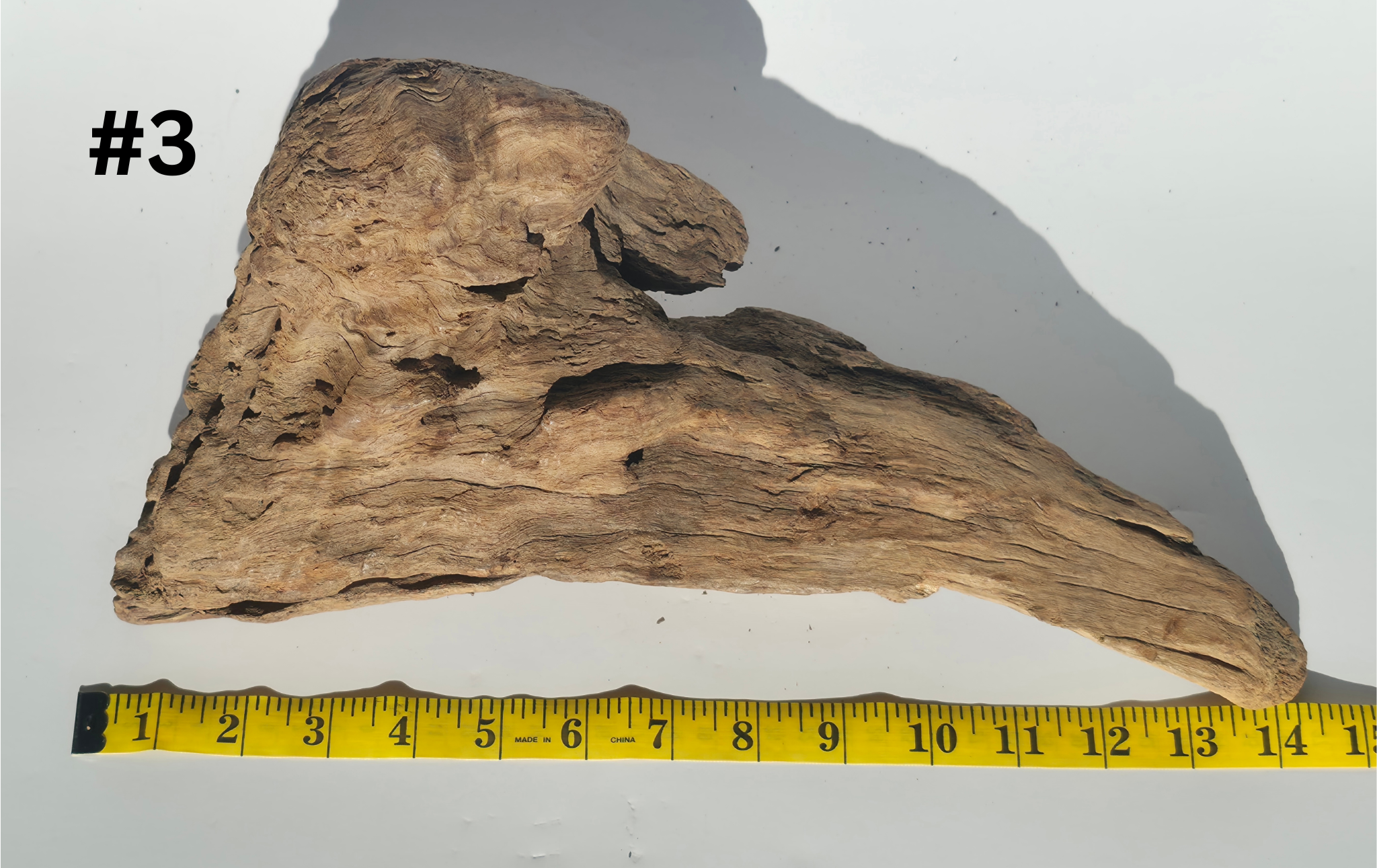 Image 6 of 8
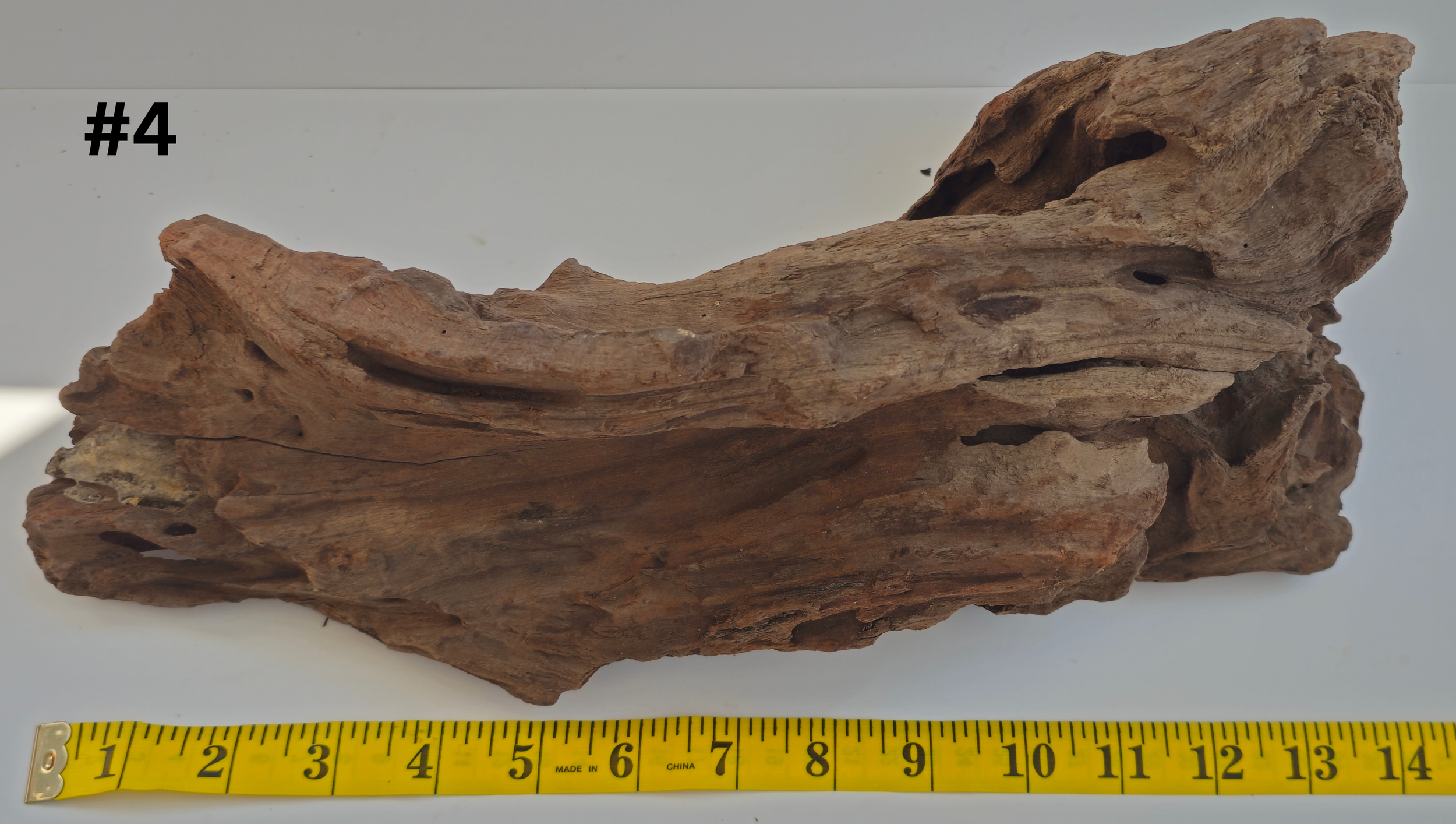 Image 7 of 8
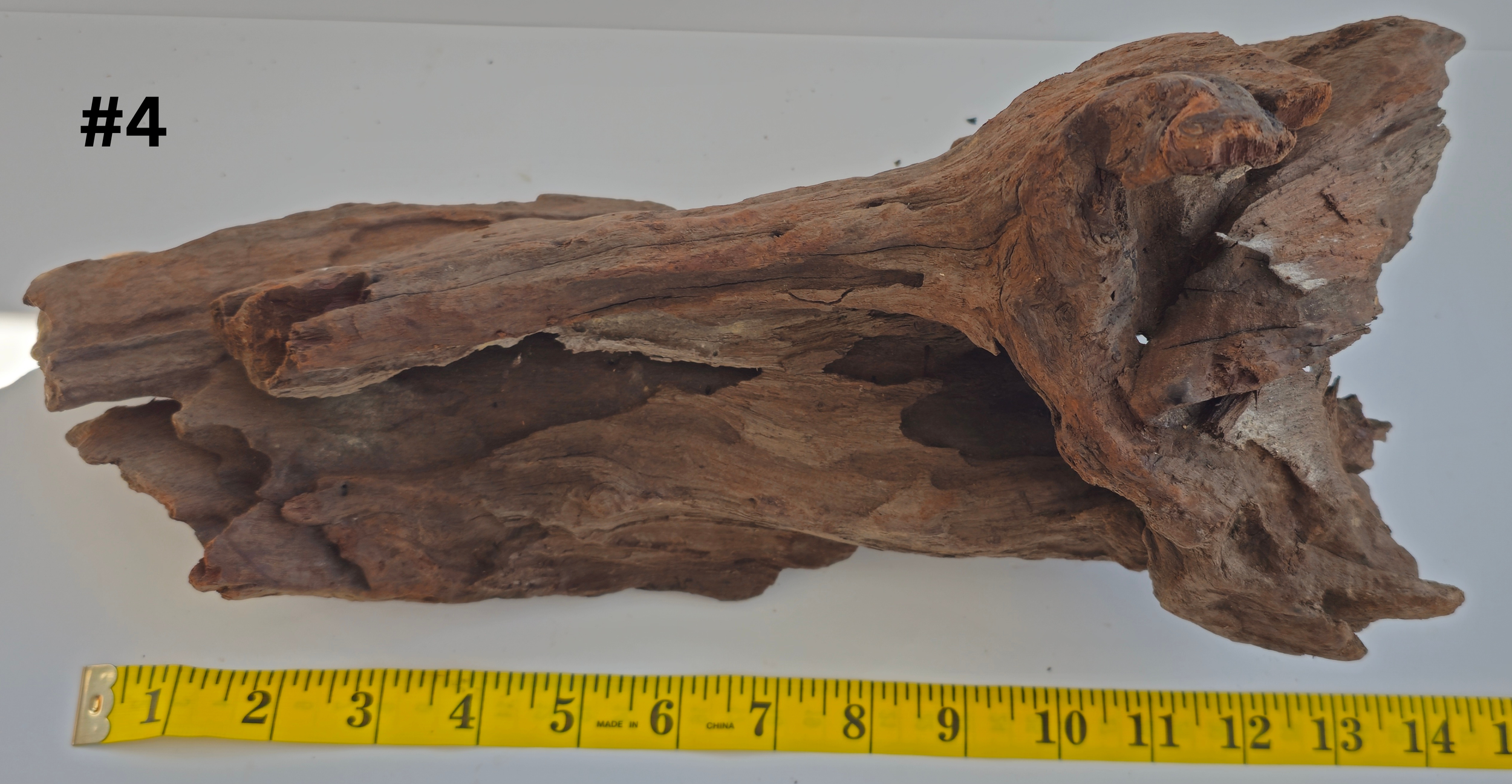 Image 8 of 8